How to choose a freestanding light
Floor lamp or table lamp
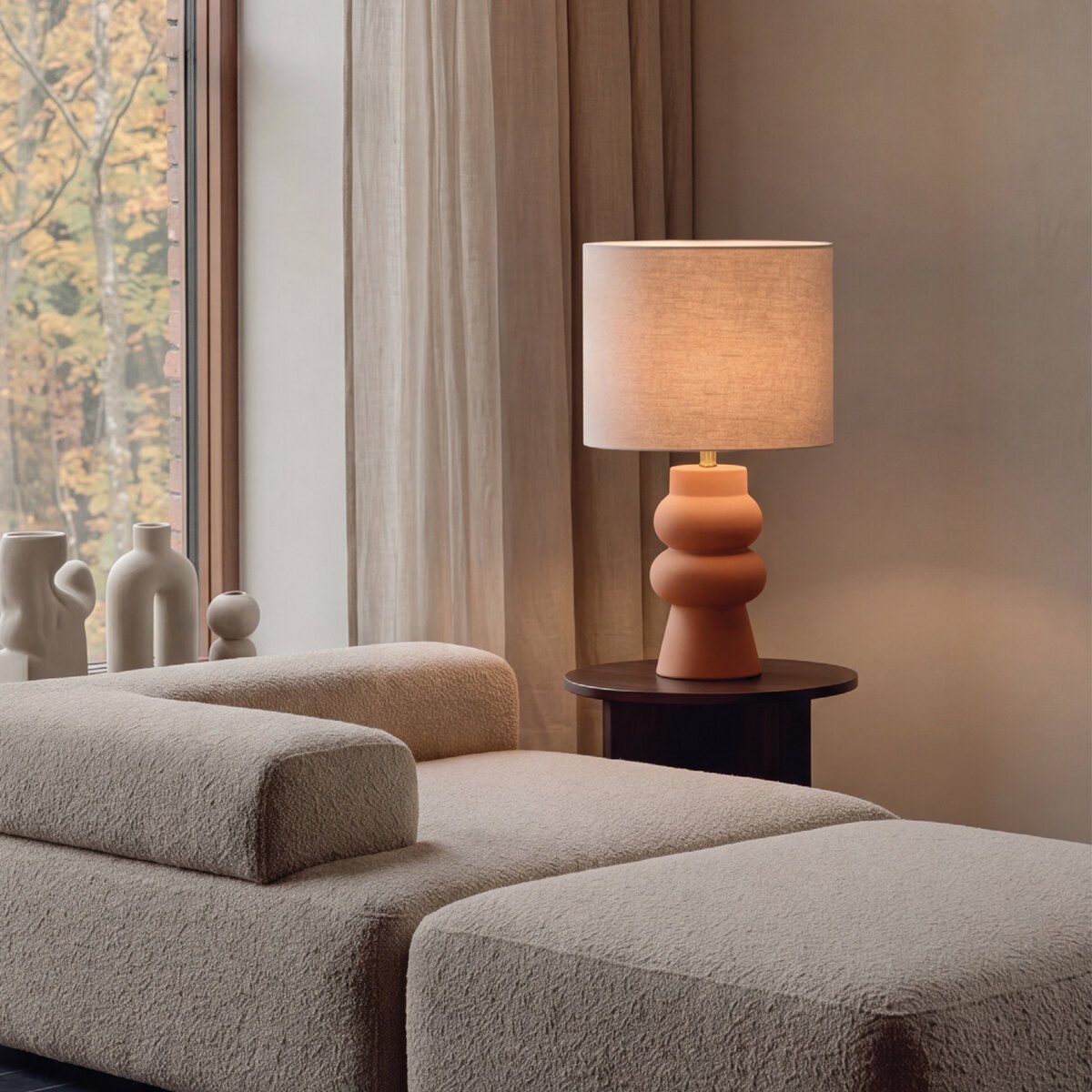
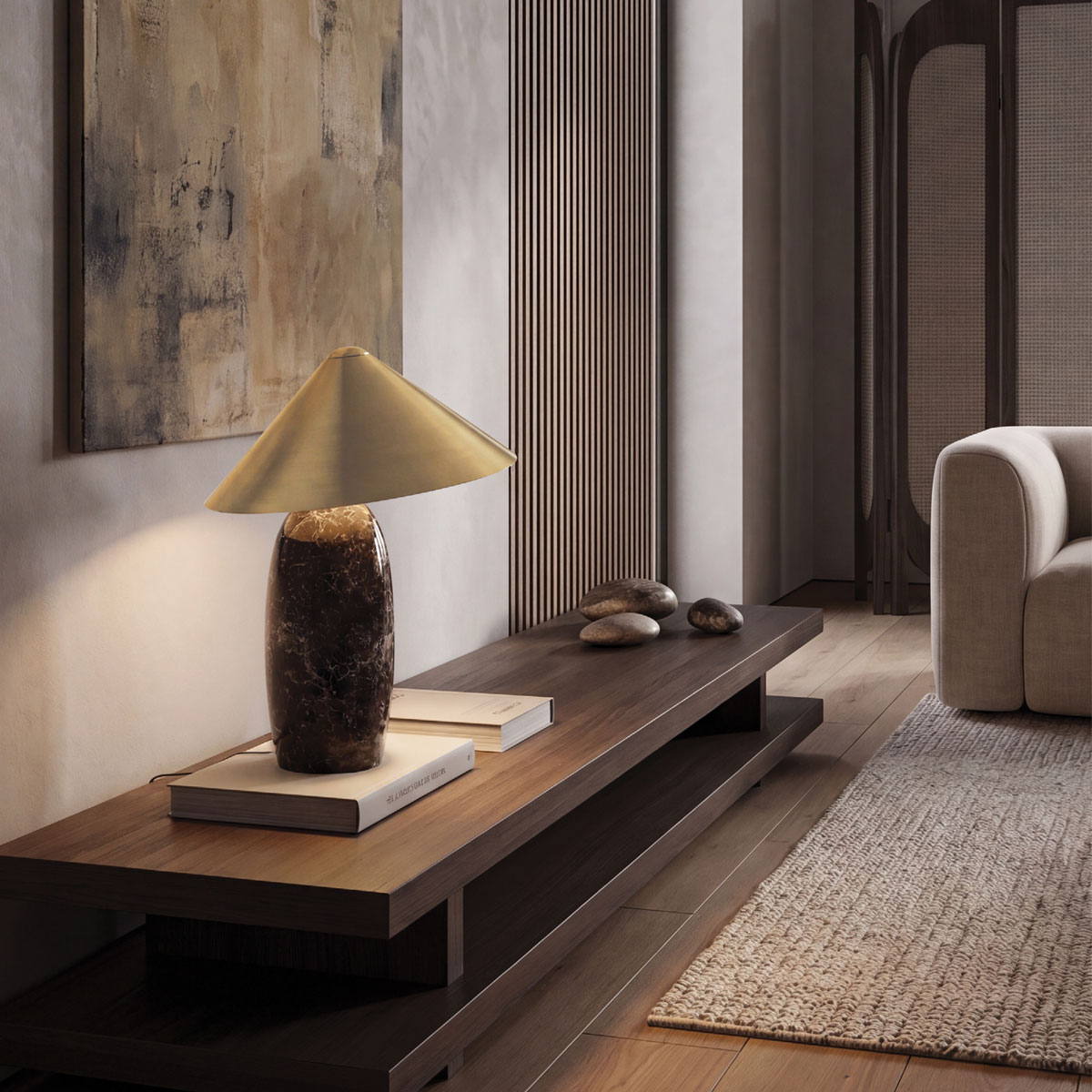
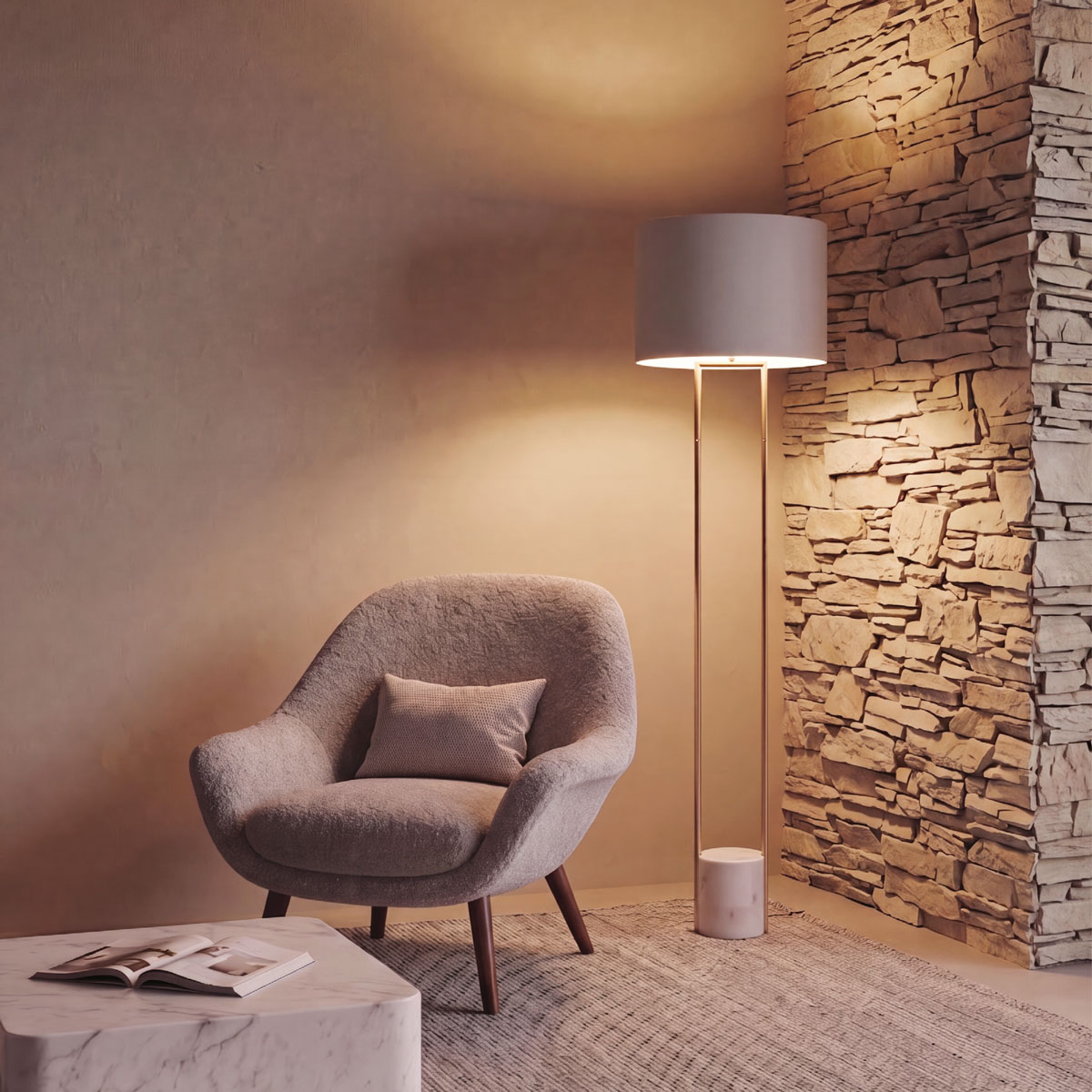
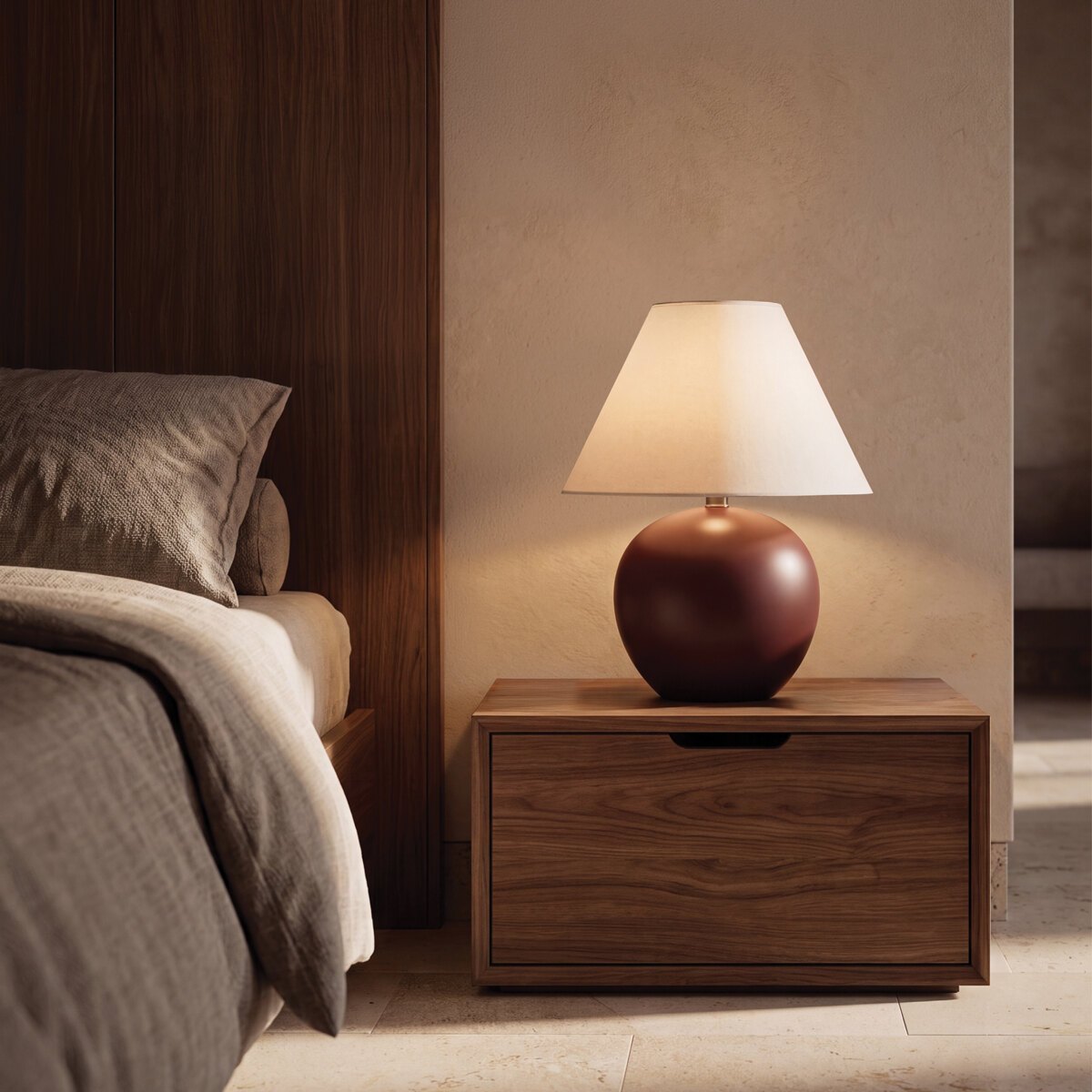
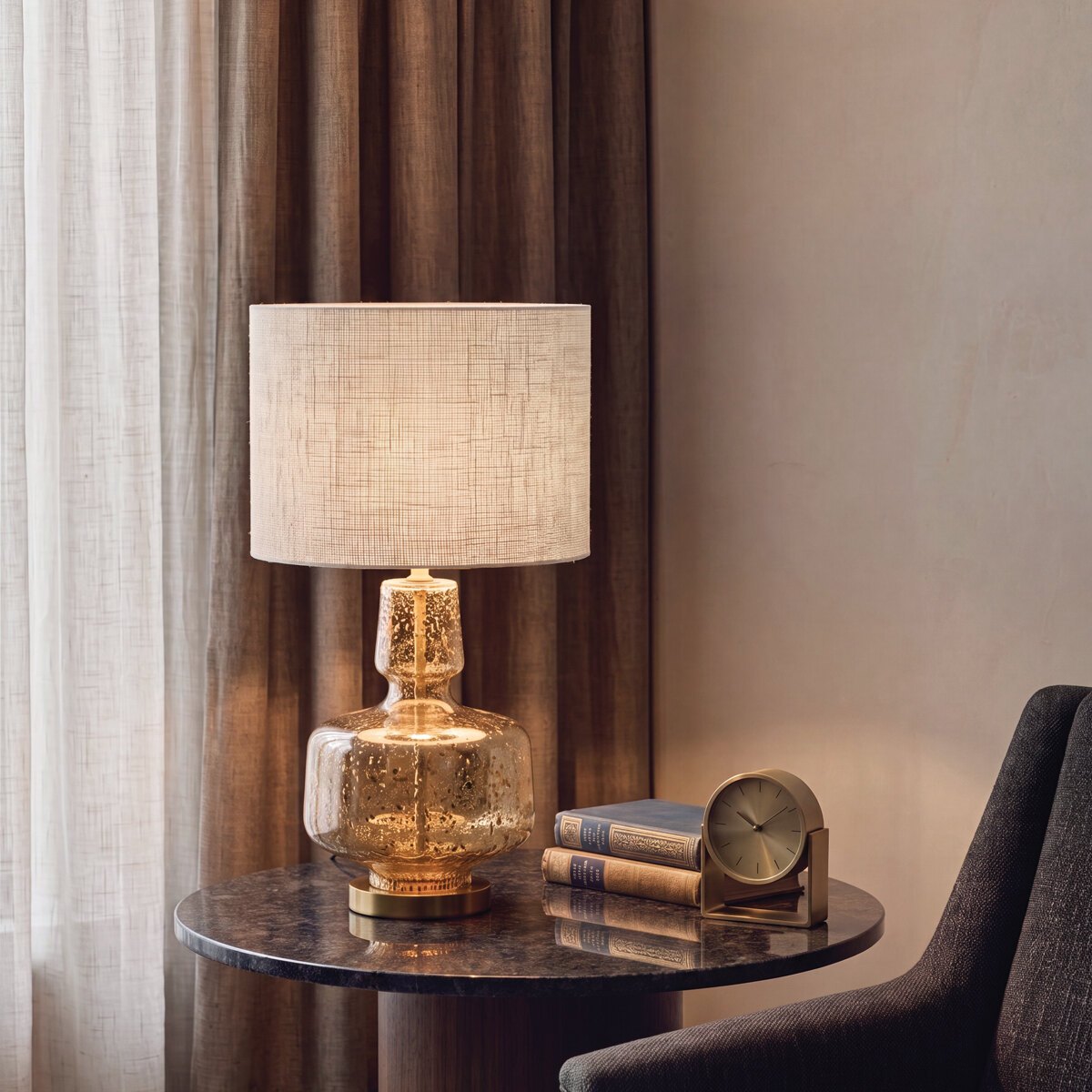
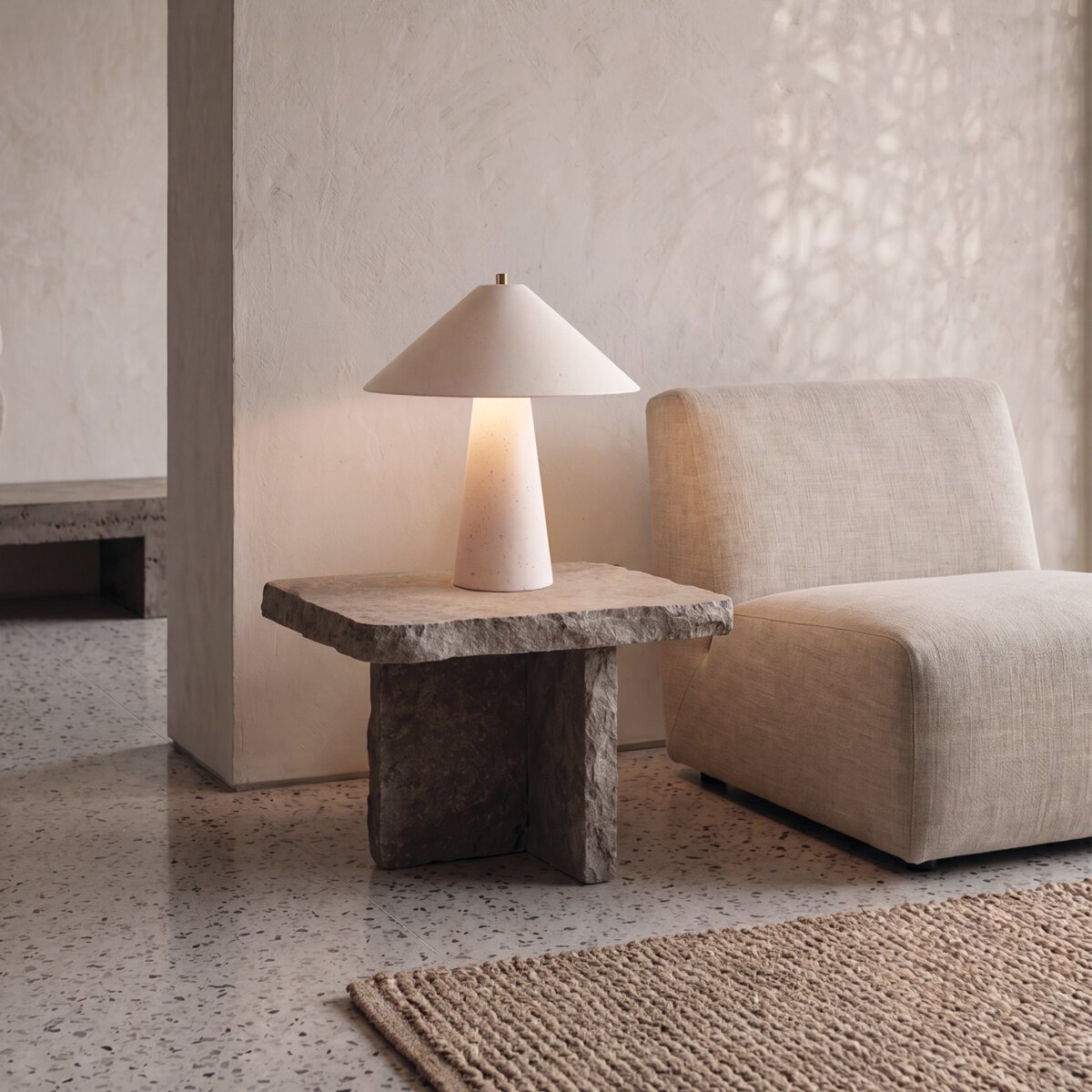
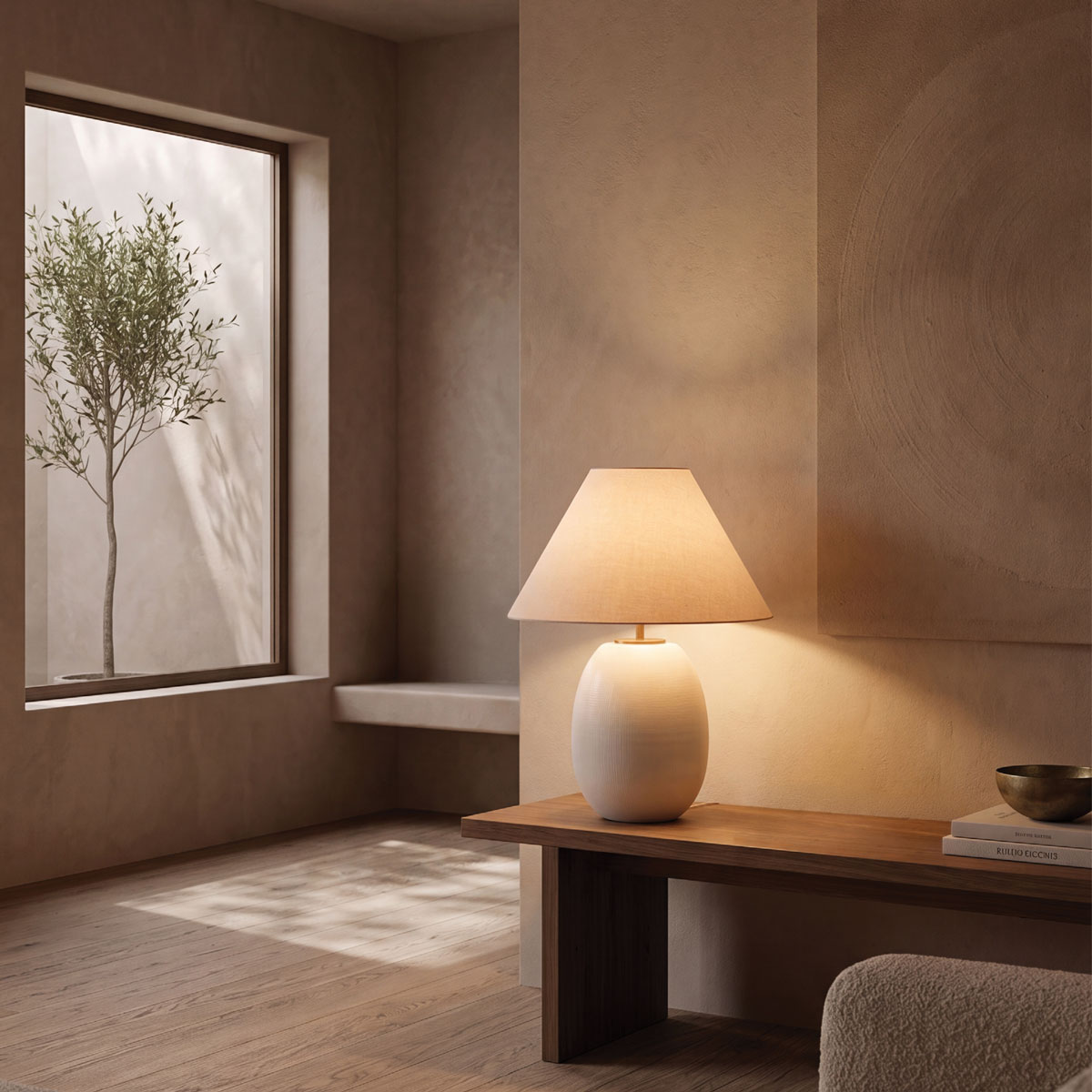
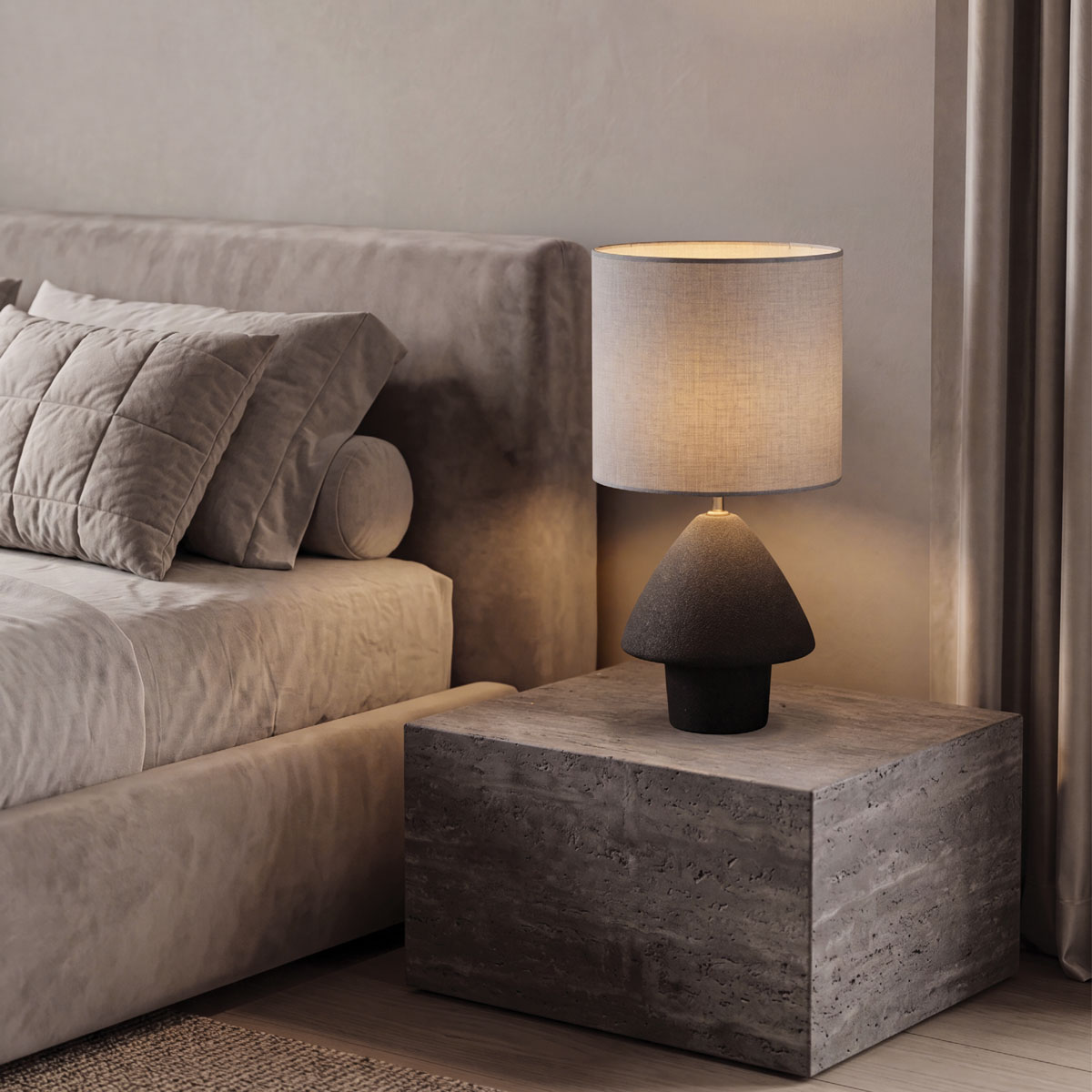
A floor lamp stands on the floor, so it can go beside a sofa or armchair, or in a corner the ceiling light does not reach. A table lamp sits on a desk, chest of drawers or bedside table and lights a small area around it. Think about where the nearest socket is, because the cable should not run across a walkway. A floor lamp needs clear floor space and a steady base, while a table lamp needs a surface deep enough that it will not be knocked over.
Reading, working or mood light
Freestanding lights differ most in where they send the light. For reading, light should come from the side or over your shoulder, so a floor lamp with an adjustable head goes next to the armchair. A desk needs a directional beam aimed at the work surface, usually from the side opposite your writing hand. Uplighter floor lamps and table lamps with fabric or glass shades diffuse the light, which makes them better suited to evening light in a living room or bedroom.
Bulb, colour temperature and brightness
Most lights in this category take an E27 bulb, so the LED bulb you fit sets the colour and brightness. The rest have an integrated LED with output up to 2461 lm, usually at 3000K. For reading and relaxing 2700–3000K is the usual choice, and 4000K for a desk. Brightness can be changed on touch-controlled and step-dimming models: you touch the body or press a switch, with no separate dimmer on the wall.
Damp spots and materials
Most freestanding lights are IP20 and meant for dry rooms. The category also includes IP44, IP54 and IP65 models that can stand where there is some moisture or splashing, such as a covered terrace. Bodies are mostly steel, plastic, metal, glass or aluminium, in black, beige, white, gold and brown. A heavier base makes a floor lamp more stable, which matters in homes with children or pets.
| Criterion | Floor lamp | Table lamp |
|---|
| Where it stands | on the floor, by a sofa or in a corner | on a desk, chest or bedside table |
| Best for | reading, evening light | work, bedside light |
| Typical colour temperature, K | 2700–3000 | 4000 for work, 2700–3000 by the bed |
| What to check | cable length to the socket and base stability | head direction and surface depth |
Choose between desk lamps and floor lamps. If there is no room for a bedside table or socket, consider wall fixtures instead.