How to choose outdoor lighting
Which type of light for each spot
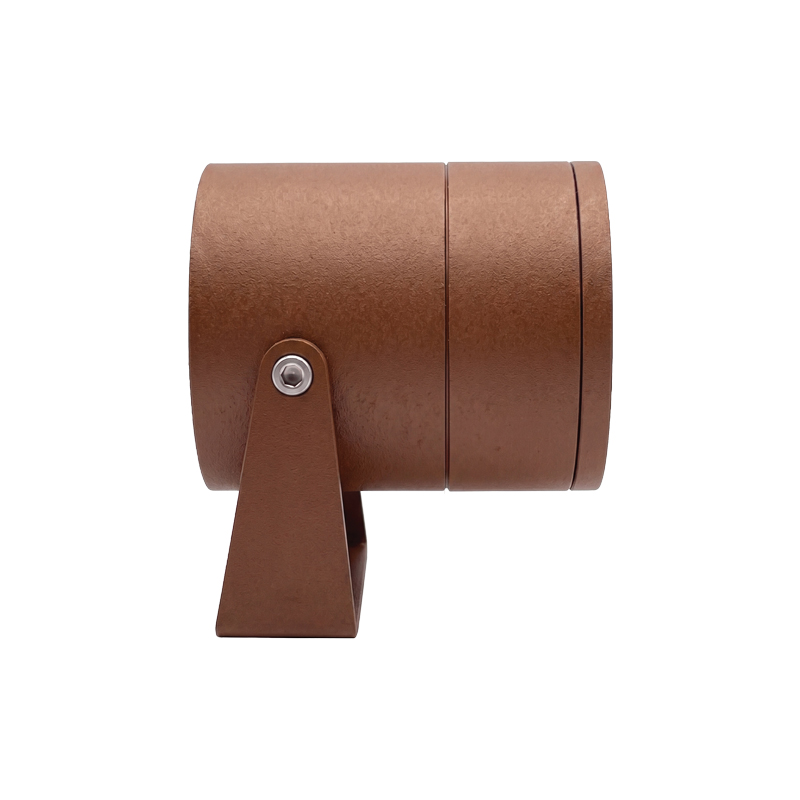
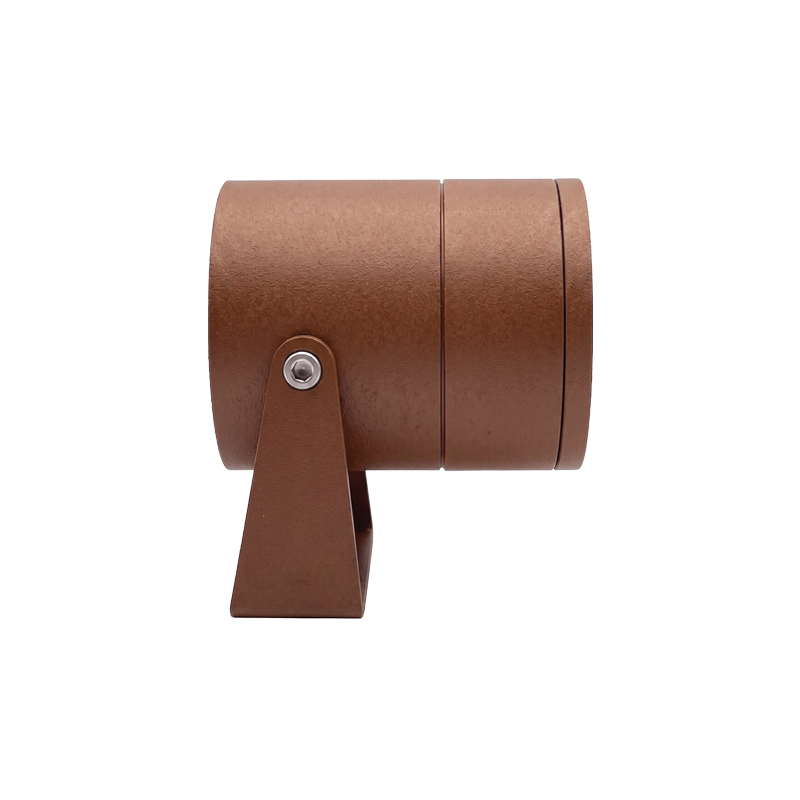
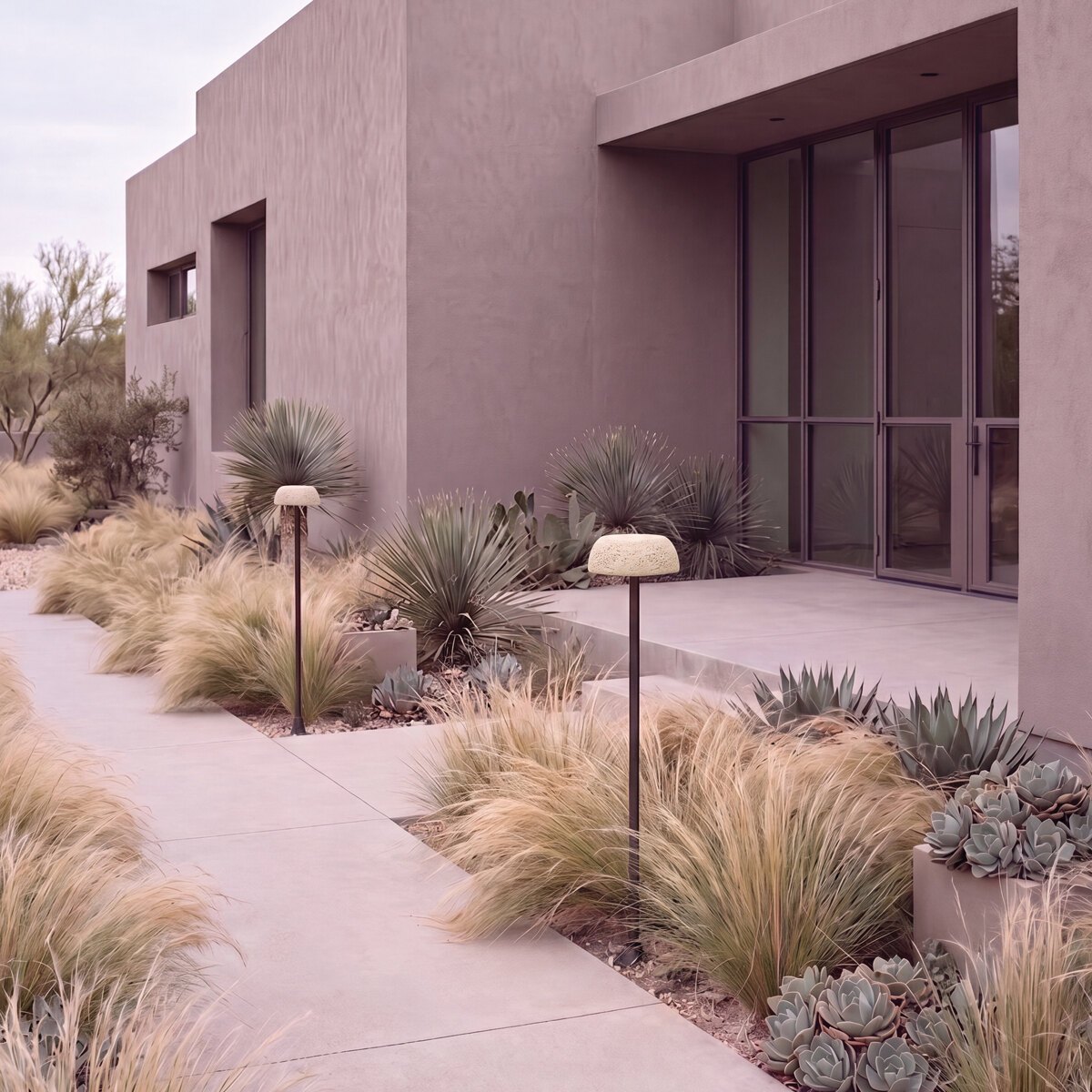
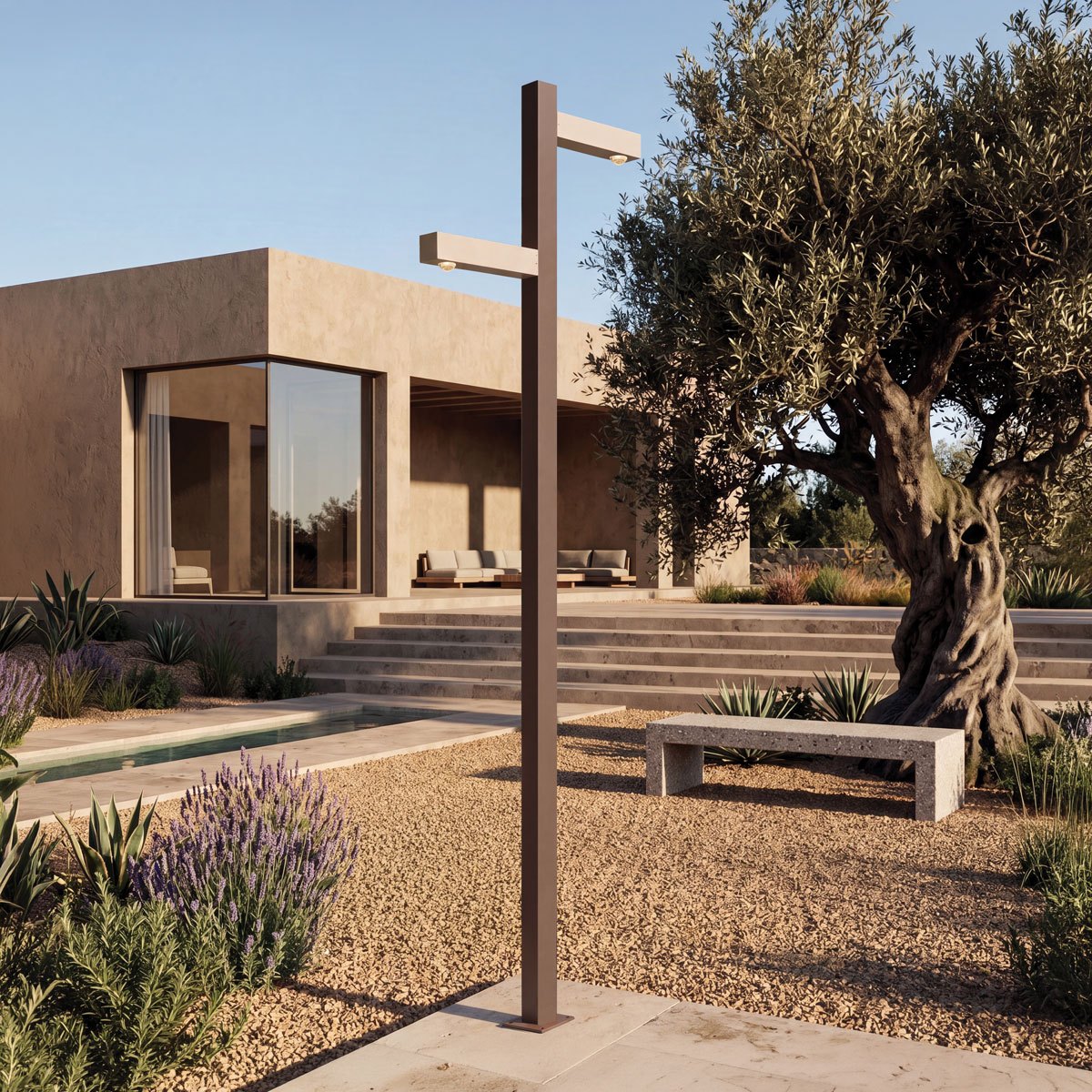
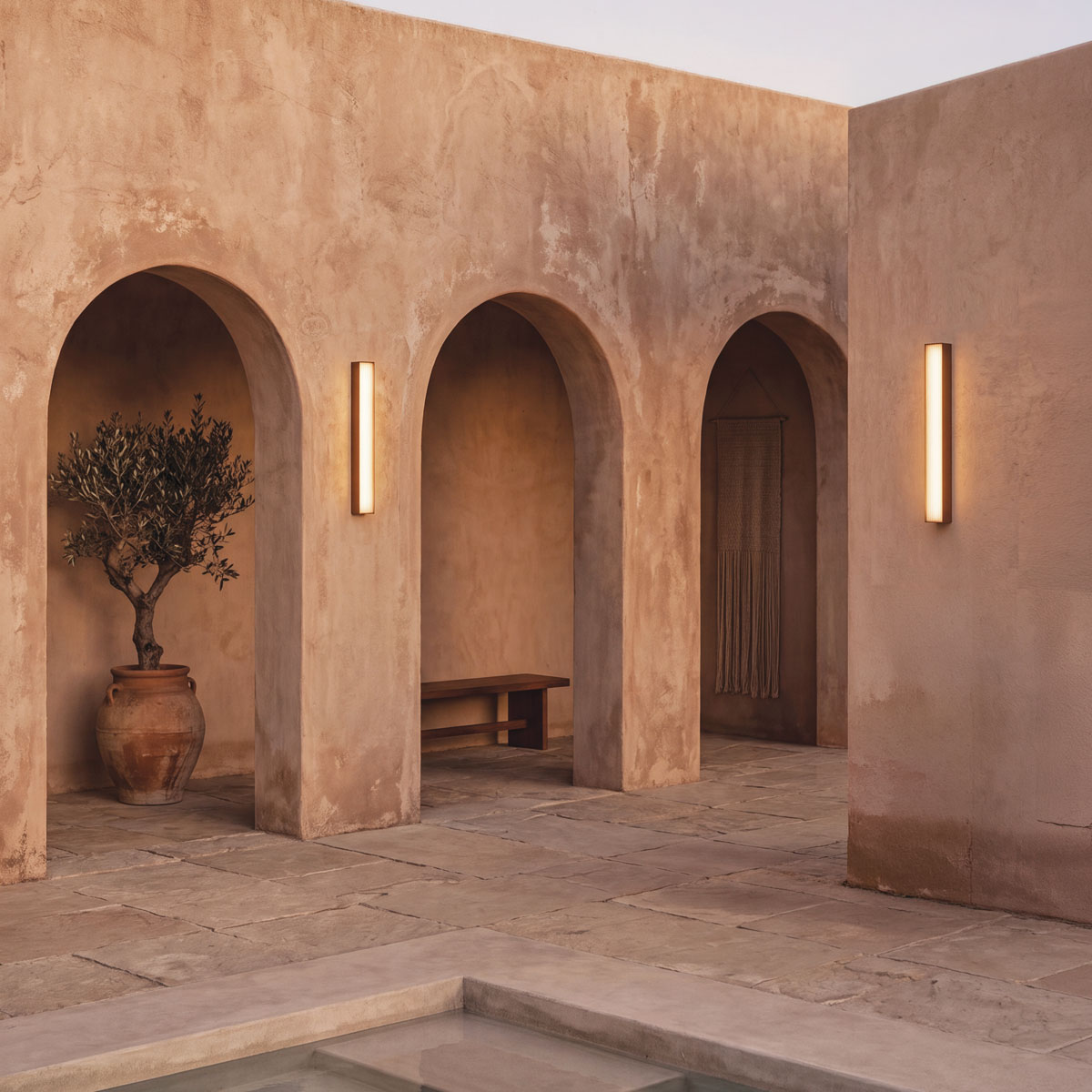
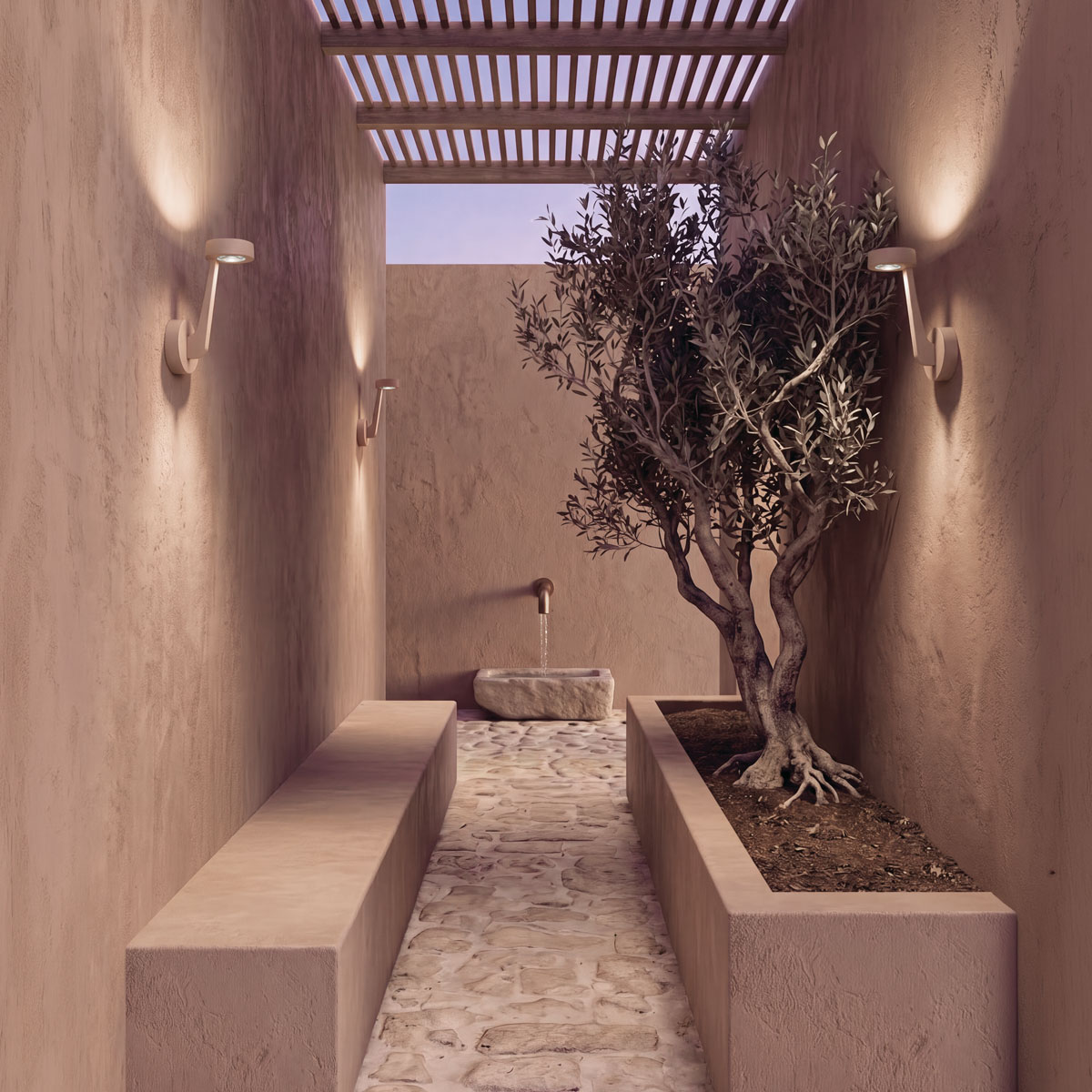
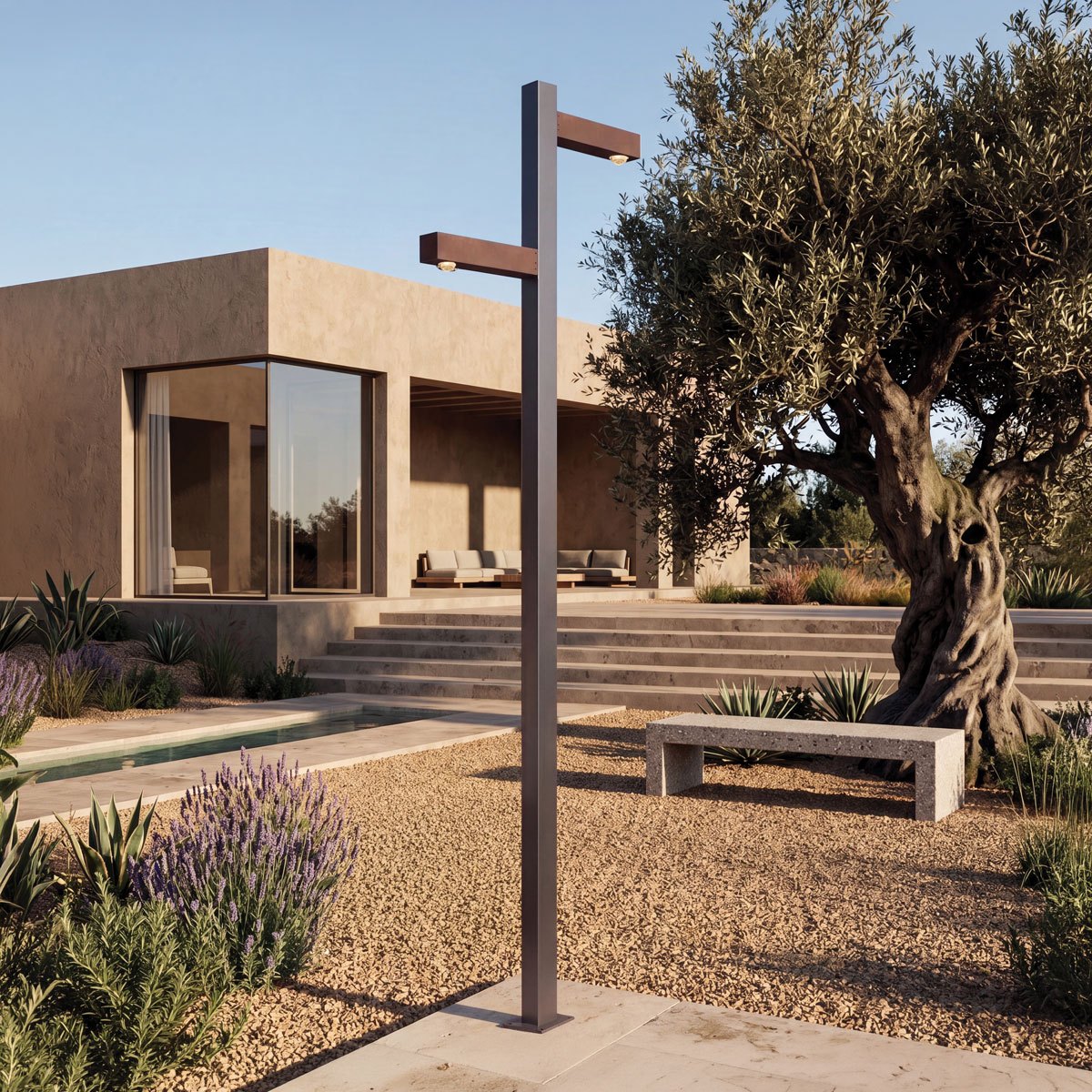
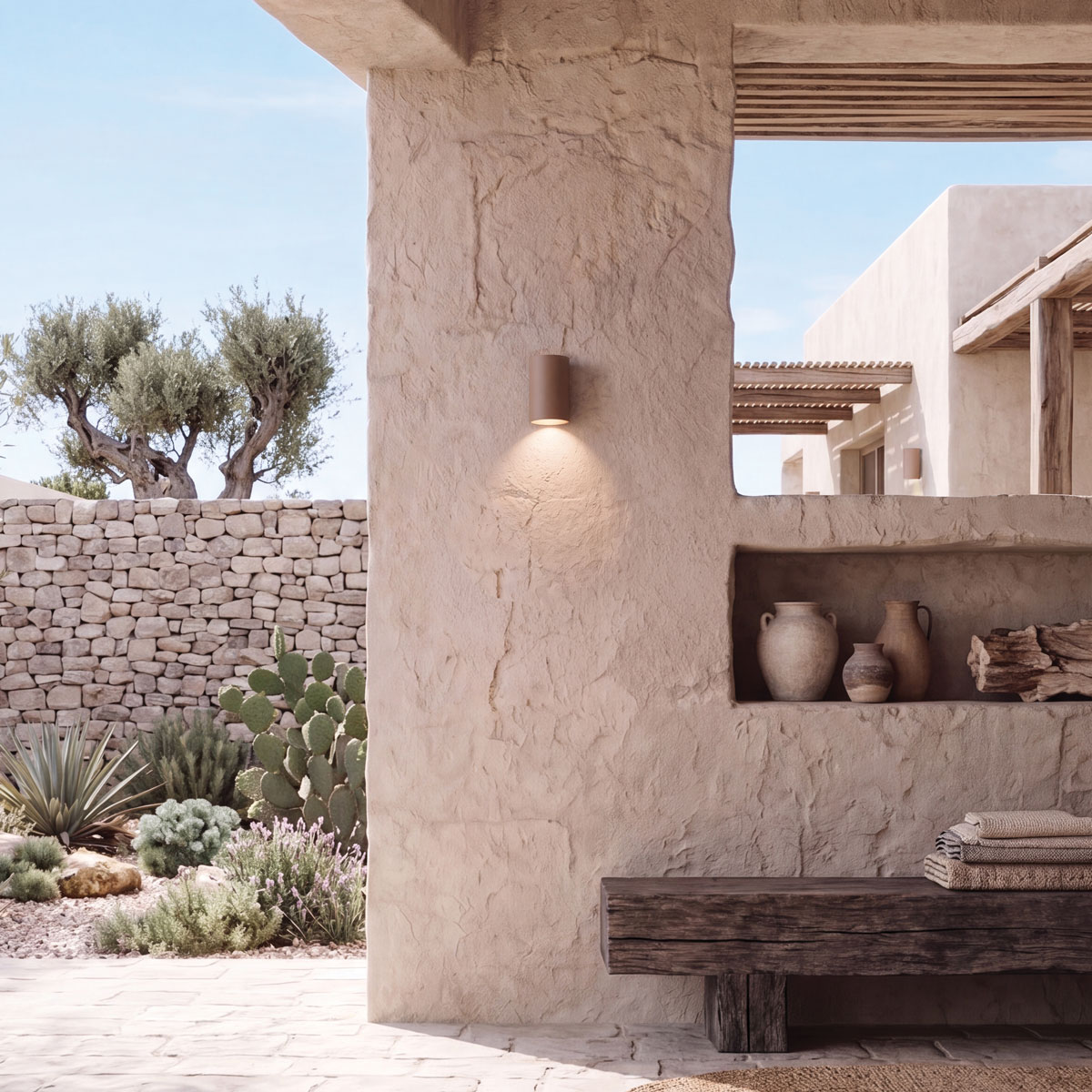
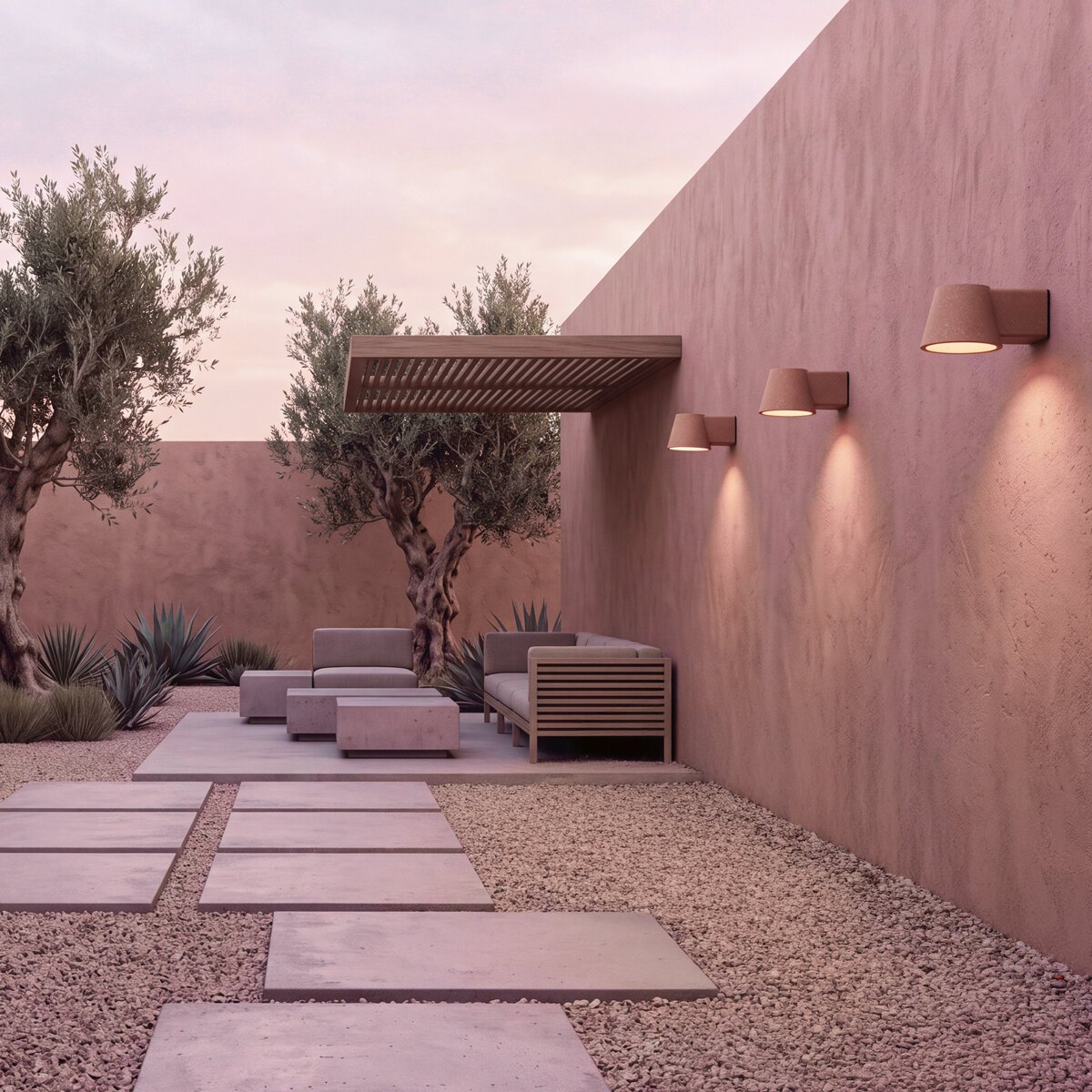
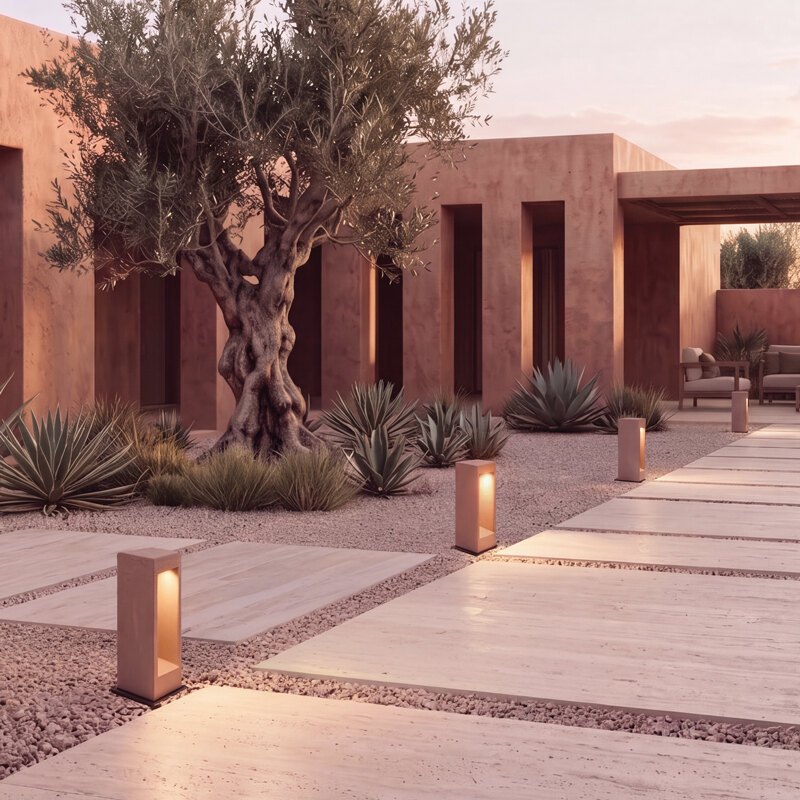
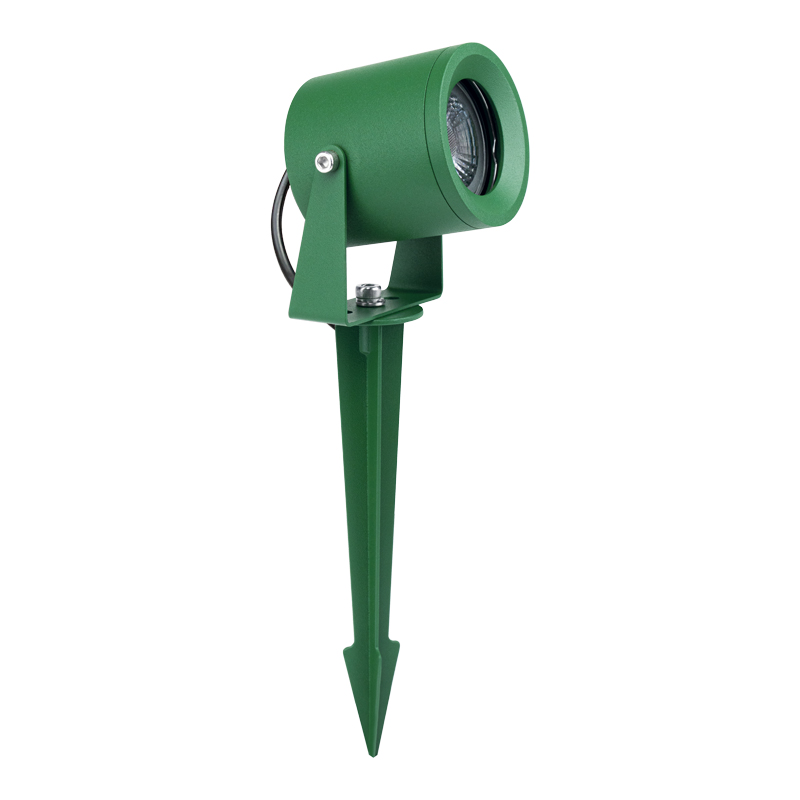
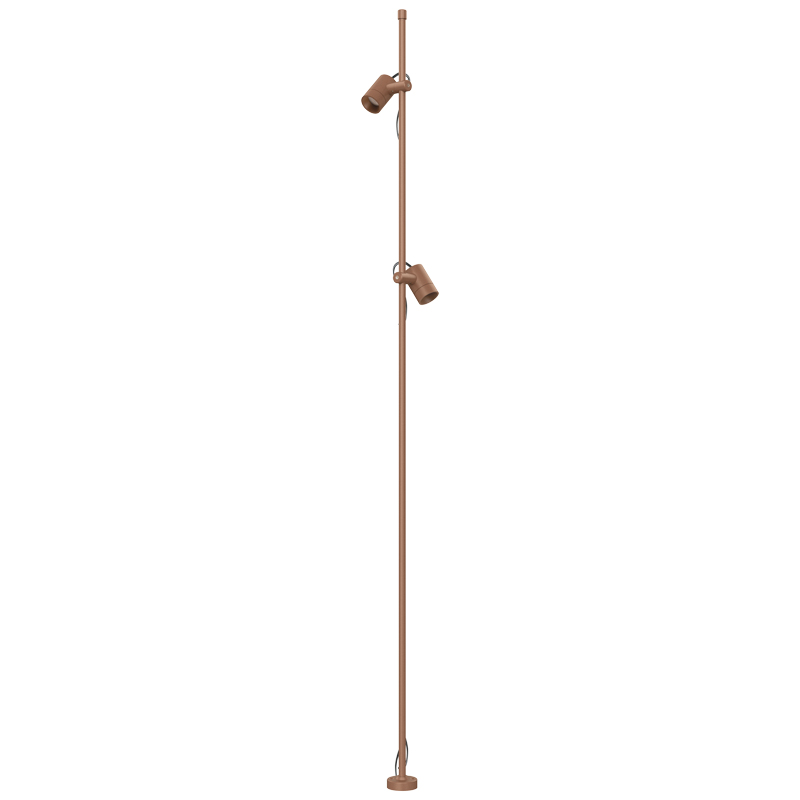
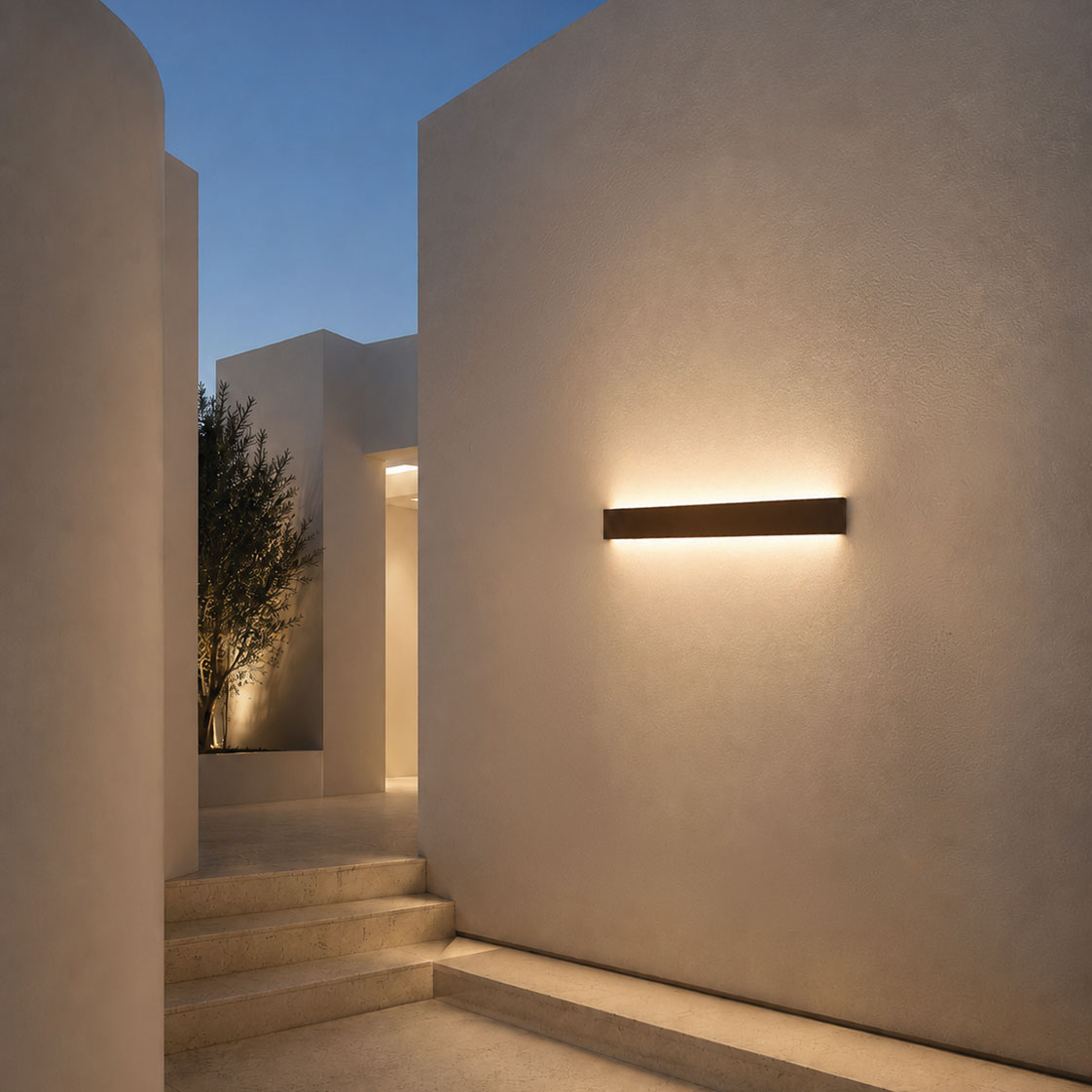
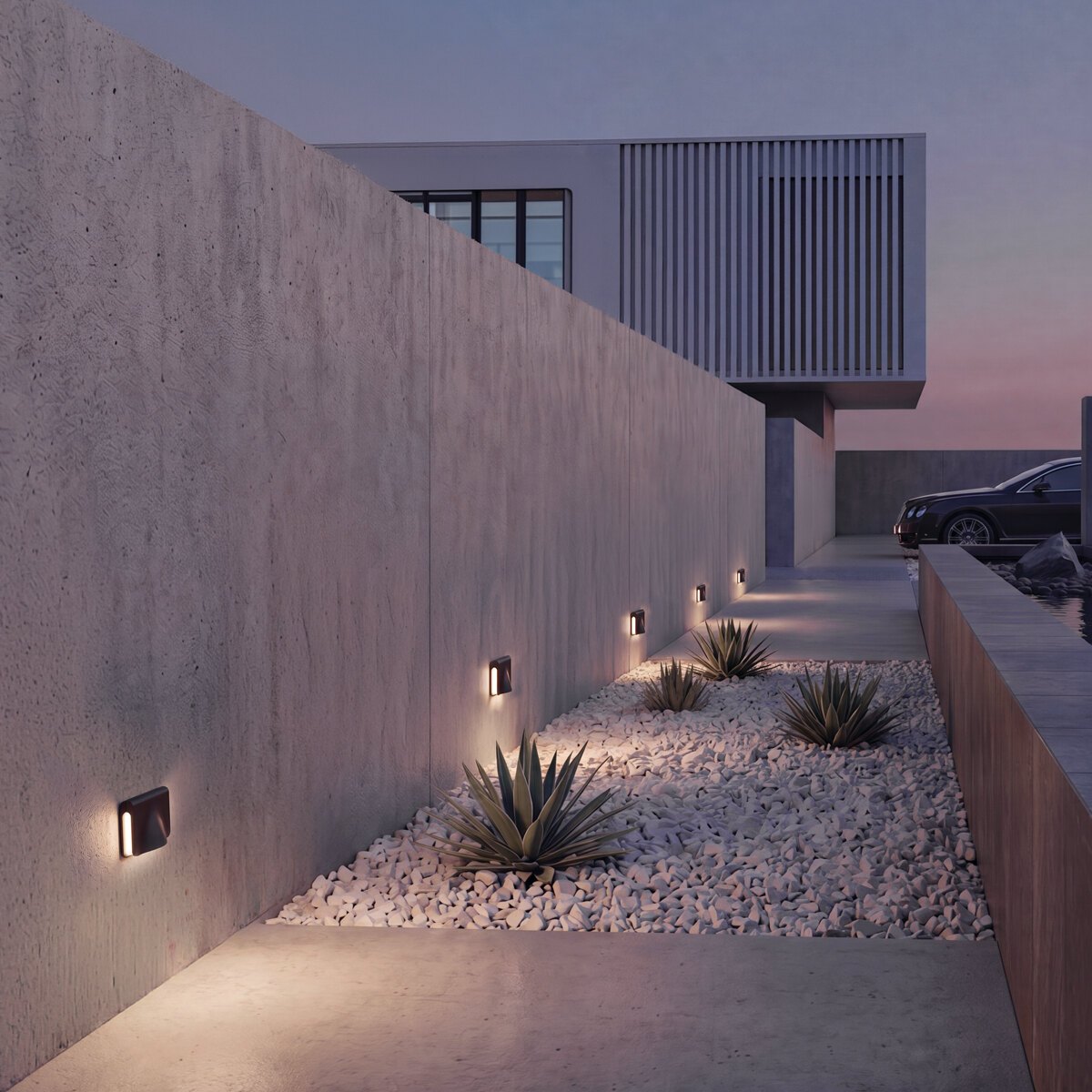
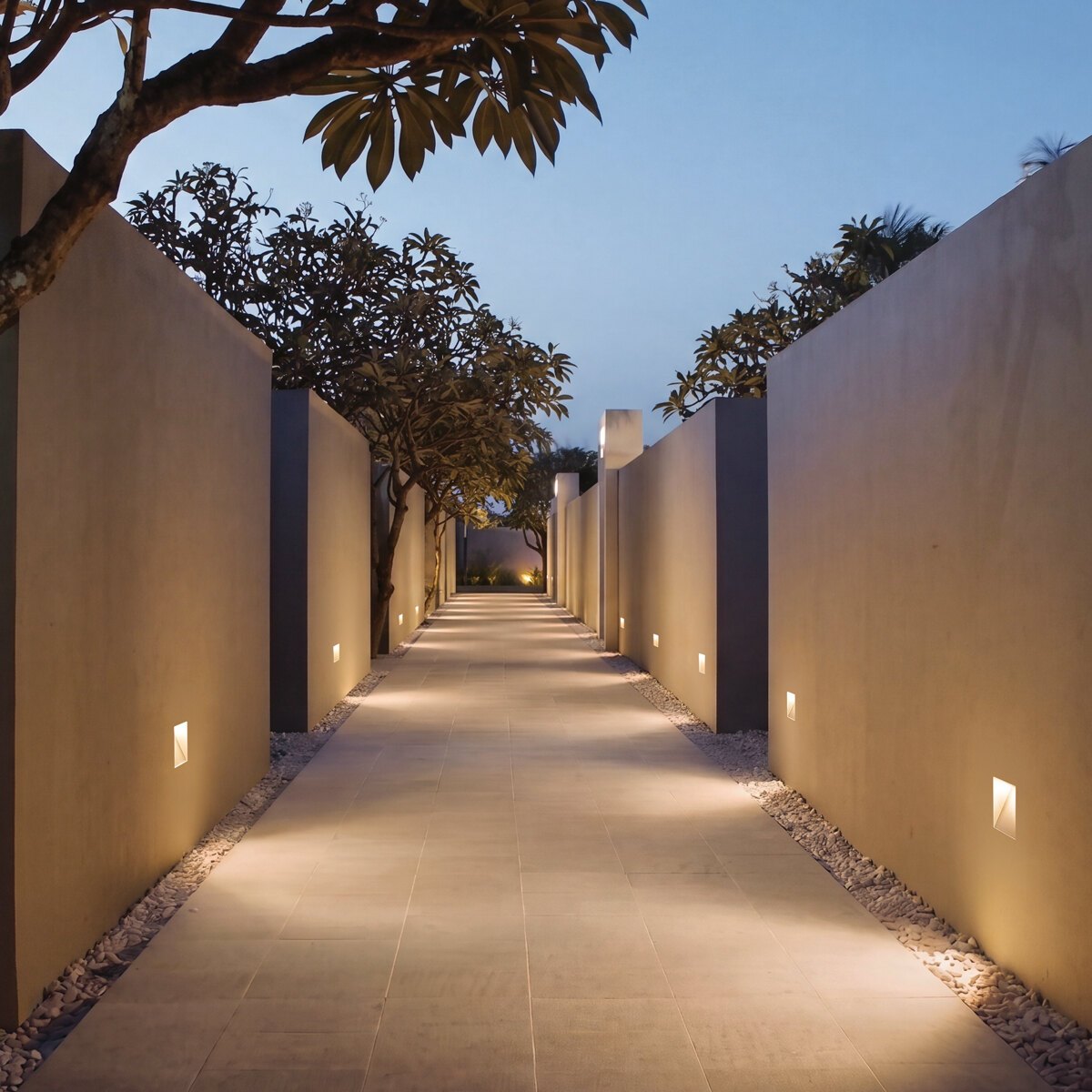
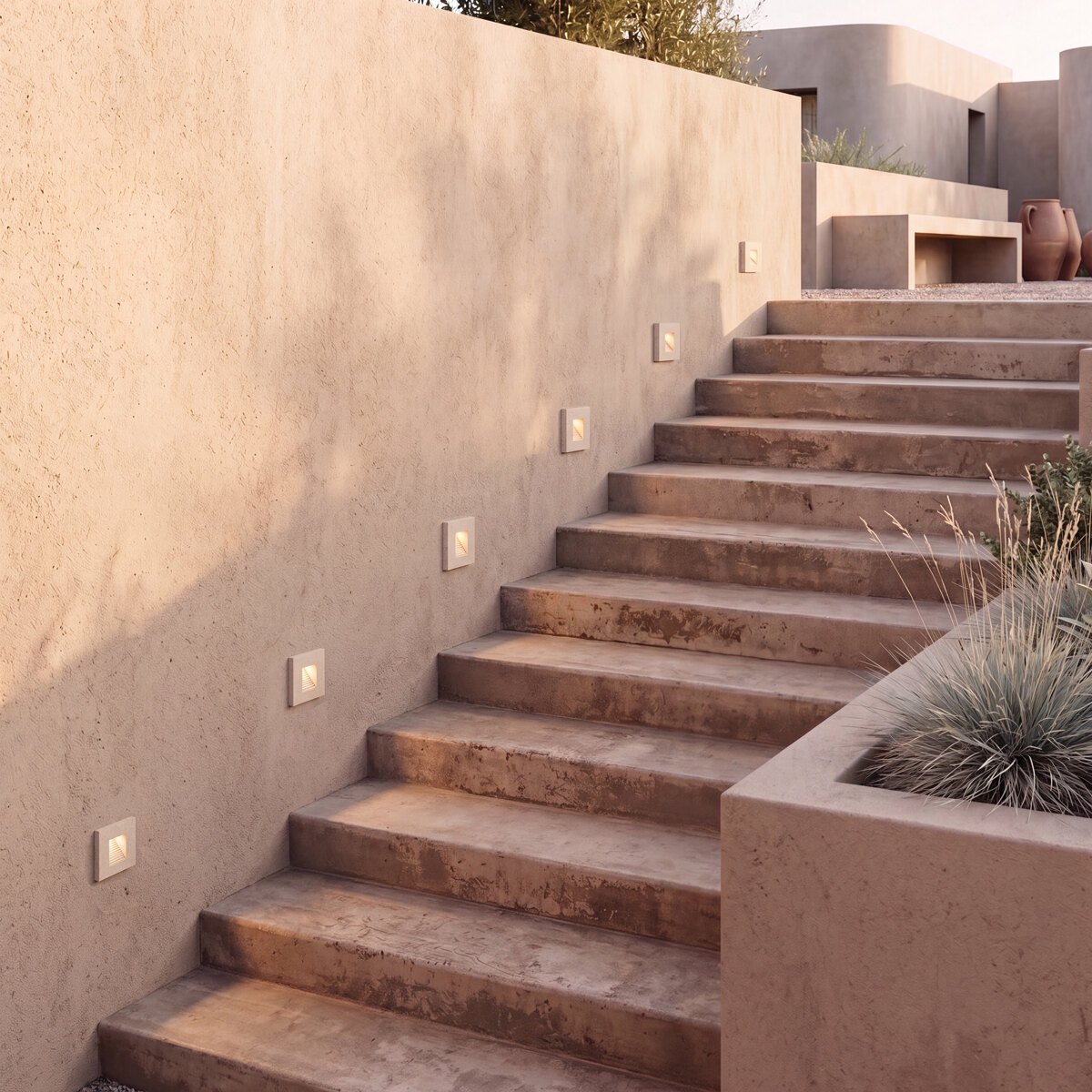
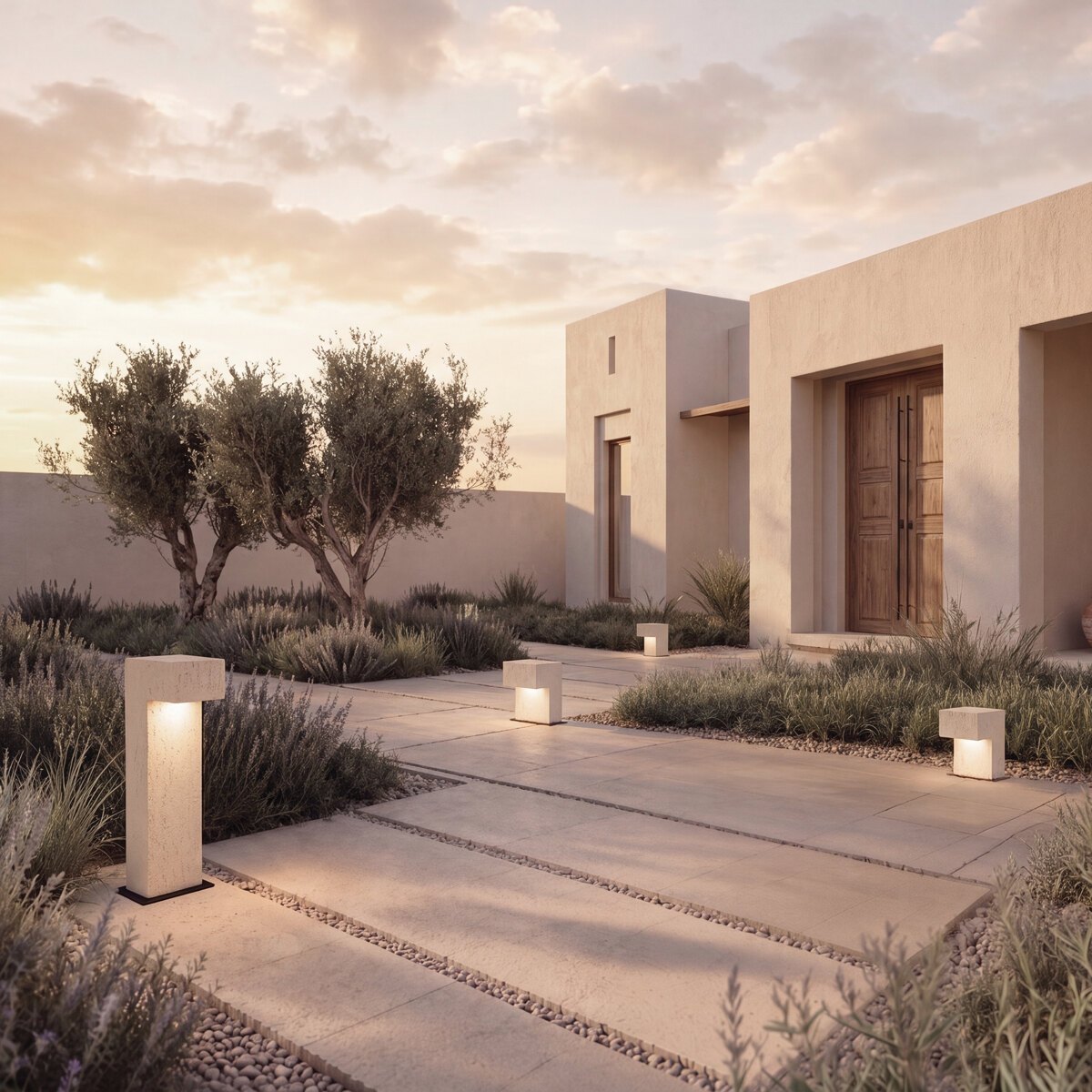
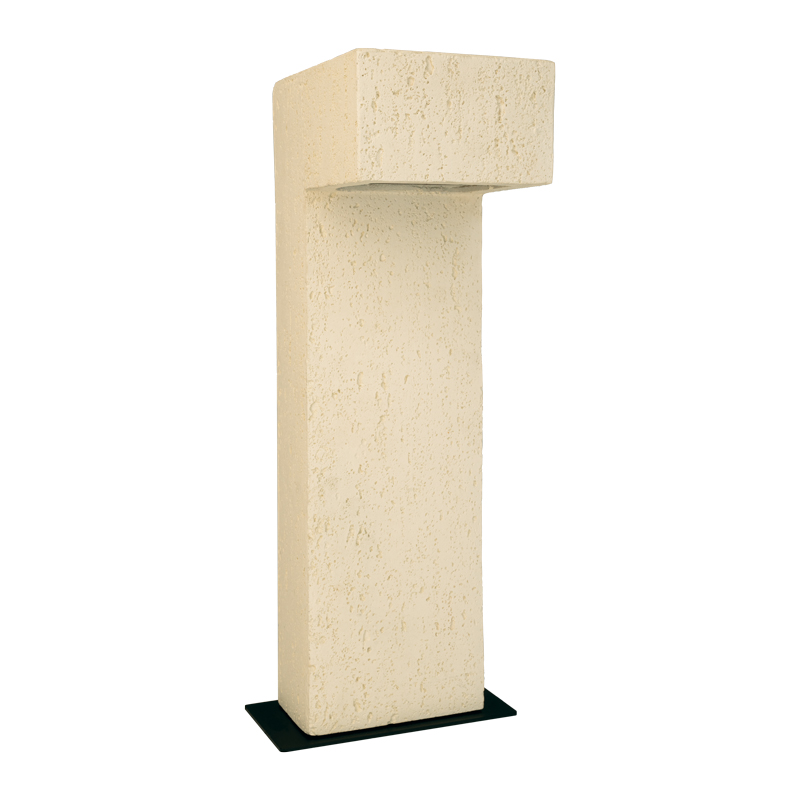
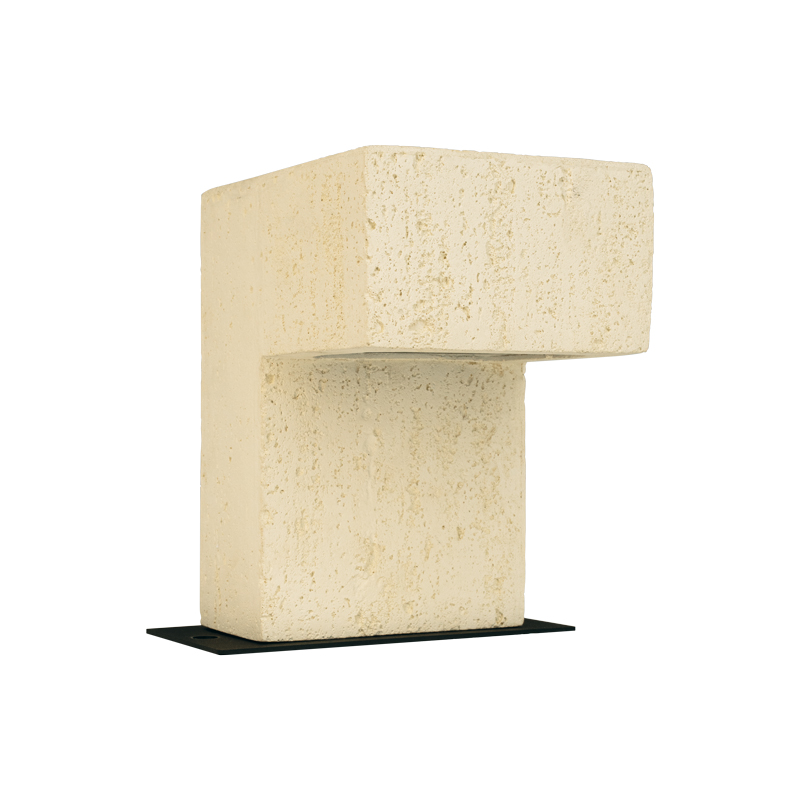
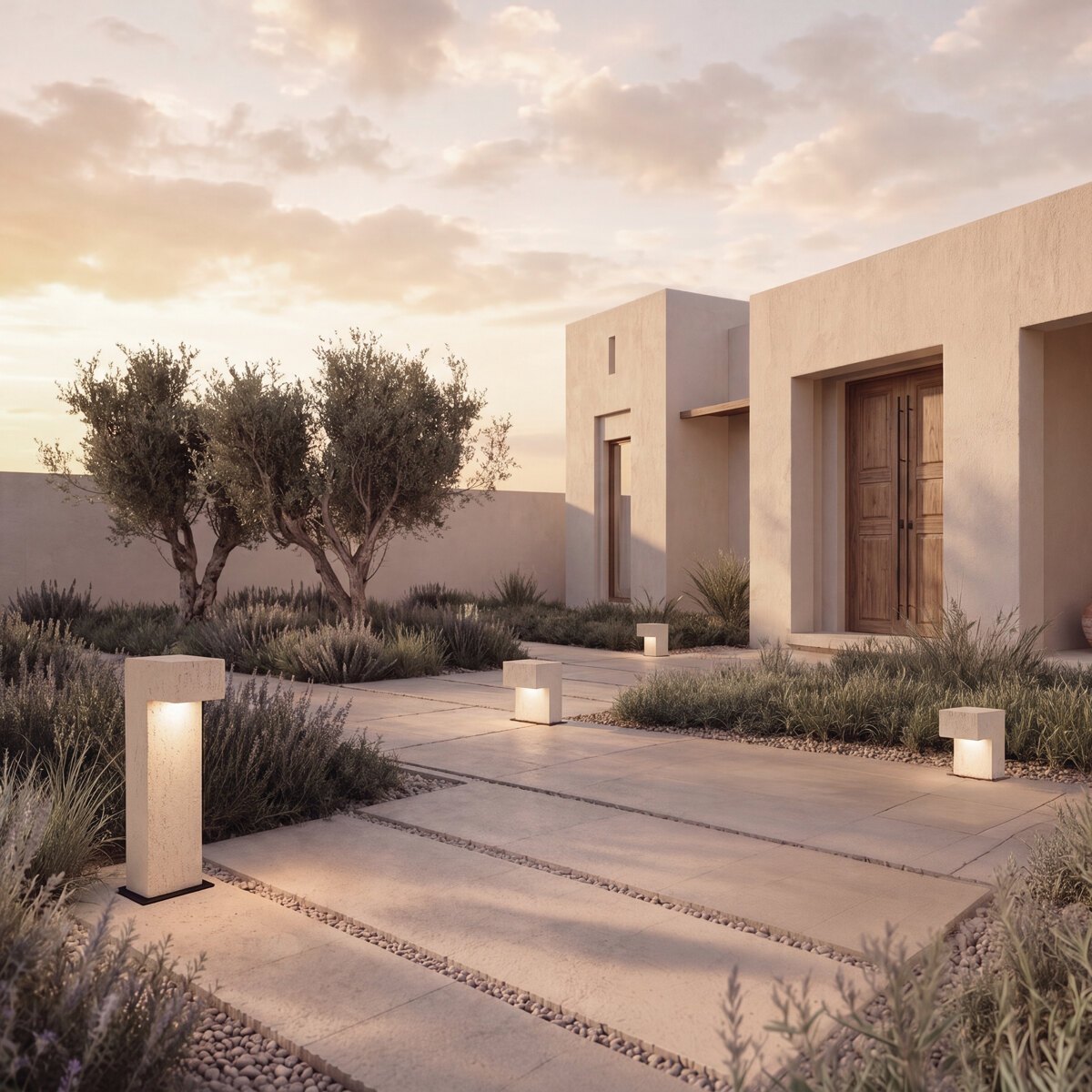
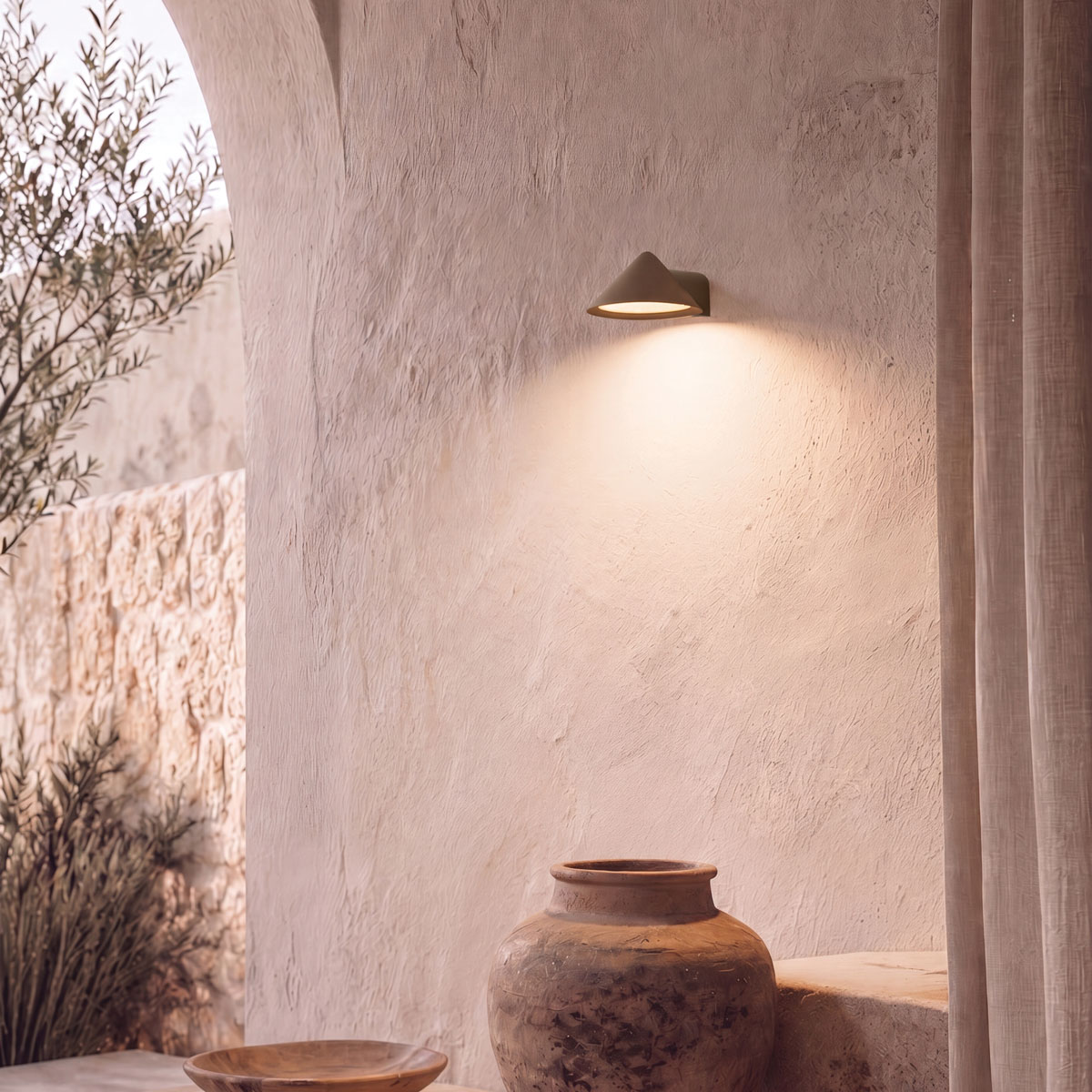
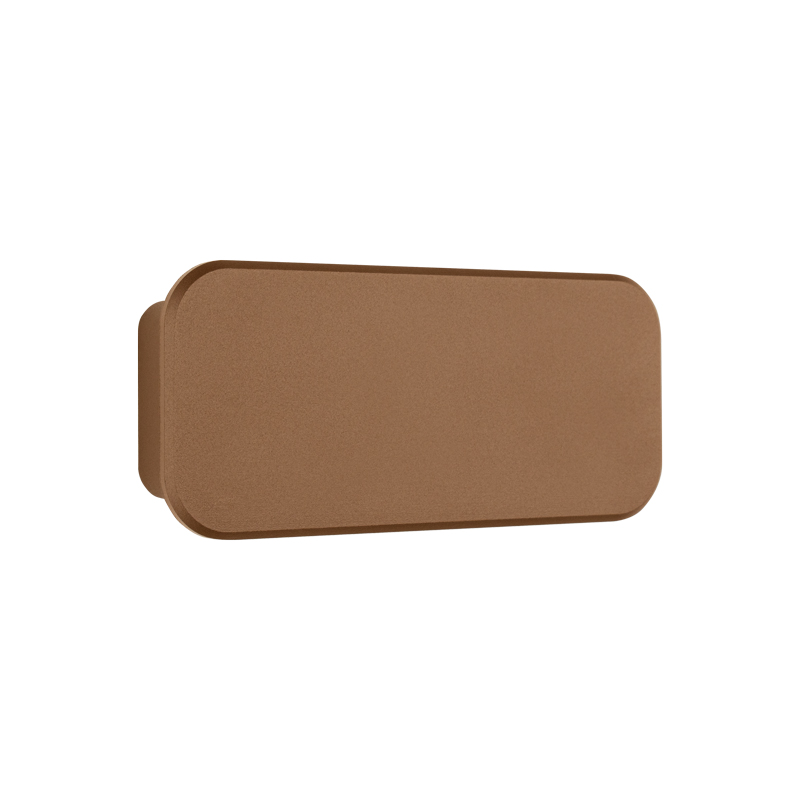
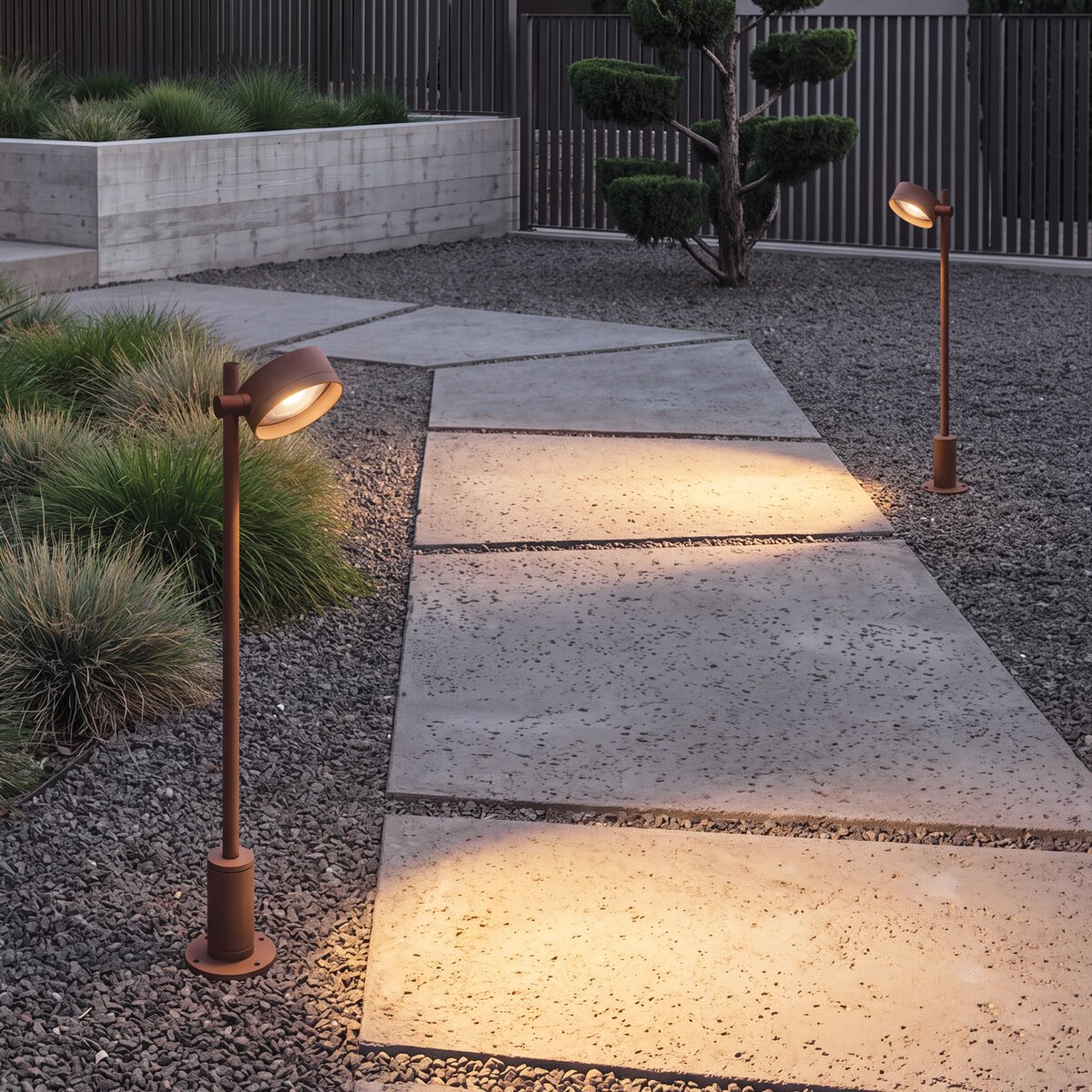
Start by deciding what needs lighting. Entrances, garage doors and facades are usually lit by outdoor wall lights, paths and driveways by bollards, and plants and trees by spike lights with an adjustable head pushed into the ground. Ceiling lights go under a canopy, balcony or terrace roof, and recessed lights into steps and terrace decking. Each type has its own category, where it is easier to filter by power, colour temperature or IP rating.
Which IP rating you need outdoors
The first IP digit shows protection against dust and the second against water. Under a canopy where rain does not reach directly, IP44 or IP54 is usually enough. On an open facade, by a path or anywhere the rain washes over the light, IP65 is recommended, and it is the most common rating in this category. Lights set into the ground or paving, where water can pool over them, need IP67 or IP68. This category includes models rated IP44, IP54, IP65, IP66, IP67 and IP68.
Colour temperature and output
Outdoor lights here mostly give 3000K or 2700K warm white, which suits render, timber, stone and planting. There are only a few 4000K and 6500K models, intended for places that need clearer light, such as a parking space. A few RGB and RGBW lights are available for decorative schemes. Marking a path needs little output, while an entrance or courtyard needs more; luminous flux in this category ranges from 23 to 2480 lm. It is worth using one colour temperature for all your outdoor lights.
Materials and light source
Housings are mostly aluminium, with diffusers in polycarbonate, tempered or standard glass, and some parts in stainless steel. Grey, anthracite, black and brown finishes dominate because they blend into a facade. Most lights have an integrated LED, so there is no bulb to change; some models take GU10 or E27 bulbs. Outdoors, a replacement bulb must fit inside the diffuser and must not exceed the maximum wattage stated by the manufacturer.
| IP rating | Dust protection | Water protection | Typical location |
|---|
| IP44 | against particles over 1 mm | splashing from any direction | under a canopy, covered terrace |
| IP54 | against harmful dust | splashing from any direction | sheltered entrance, terrace wall |
| IP65 | dust-tight | water jets | open facade, path, courtyard |
| IP66 | dust-tight | powerful water jets | exposed, windy spots |
| IP67 | dust-tight | temporary immersion | lights set into the ground or paving |
| IP68 | dust-tight | continuous immersion | places where water collects |
Browse by position: outdoor wall lights, outdoor freestanding lights, spike lights, outdoor recessed lights and outdoor ceiling lights. Fittings for inside the house are in indoor luminaires.