How to choose indoor luminaires
General, task and accent light
A well-lit room usually combines three layers of light. General light comes from ceiling or pendant fittings, task light from directional fittings over a table, a kitchen worktop or a bed, and accent light from wall lights and floor lamps. Start planning with the general layer, since it sets how many lumens the whole room needs, then add task and accent light where it falls short. Several well-placed fittings usually light a room more evenly than one very bright one.
How much light you need and how to work it out
General lighting in living spaces is usually planned at 100–300 lm/m², with more for work areas. Fittings in this category range from 80 to 9357 lm and from 1 to 174 W, so you can reach the figure you need with one fitting or several. When comparing models, look at lumens rather than watts, because luminous flux is what shows how bright an LED fitting is. With a replaceable bulb, the bulb sets the output. The lighting calculator works out the flux a room needs from its area and use.
Colour temperature and light source
The most common colour among integrated LED fittings here is 3000K warm white, followed by 4000K neutral white, with some 2700K, 6500K and tunable-white (CCT) models too. Living rooms and bedrooms usually get 2700–3000K, while kitchens, bathrooms and work areas suit 3000–4000K. A good share of fittings take a replaceable bulb with an E27, G9, GU10 or other base, which lets you choose the colour yourself. Keep one colour temperature for all the fittings in a room.
IP rating and control
Most indoor fittings are IP20 and meant for dry rooms. For bathrooms and other damp areas the category includes IP44, IP54 and IP65 models, and in a bathroom the zone sets the rating you need. Dimmable fittings are controlled in different ways: TRIAC (phase-cut) models by a wall dimmer, DALI models through a control system, and some freestanding lamps by touch or step dimming. If you want to dim several fittings together, choose models with the same control method.
| Luminaire type | Layer of light | Typical position | Mounting |
|---|
| Ceiling | general | centre of a room, hallway, kitchen | on or into the ceiling |
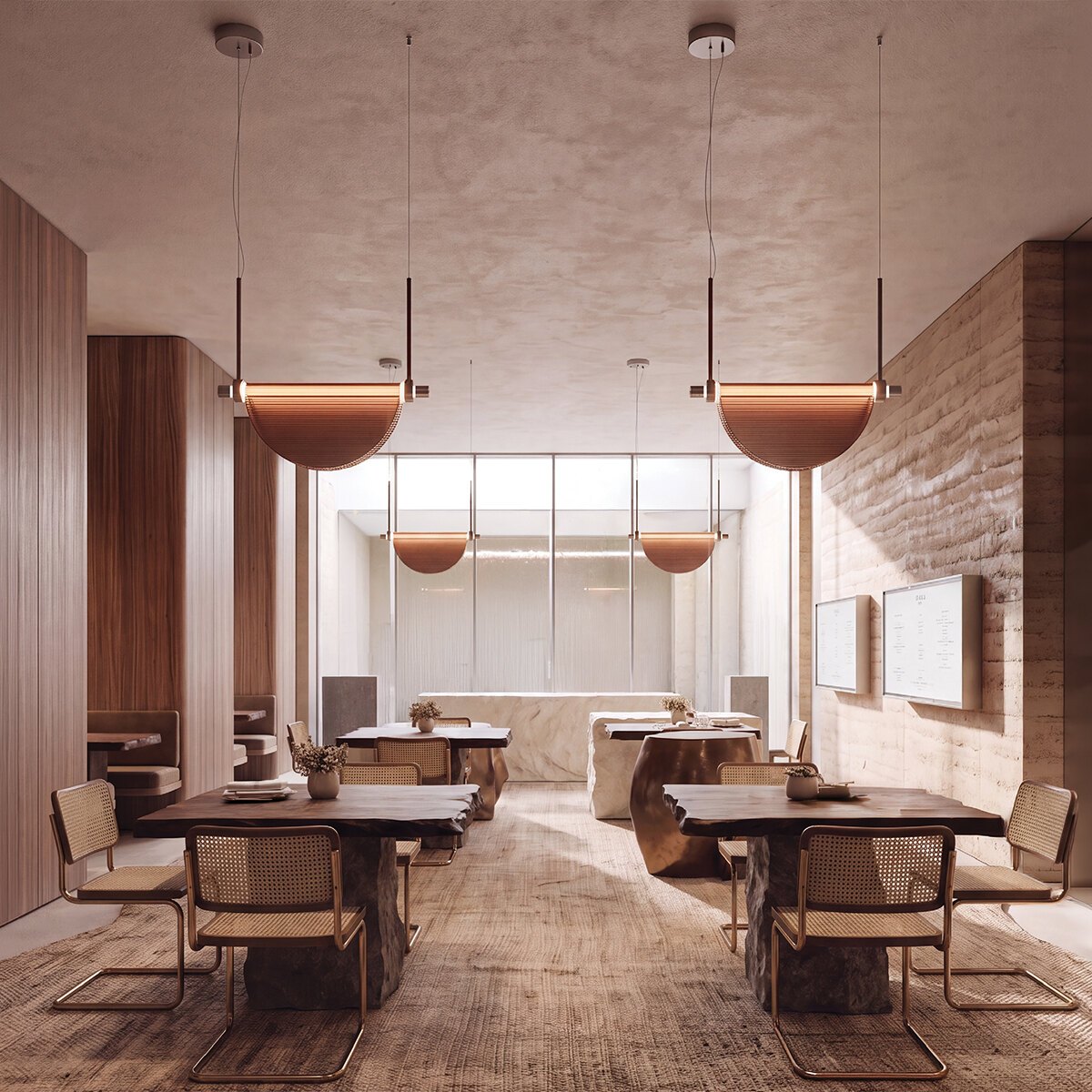
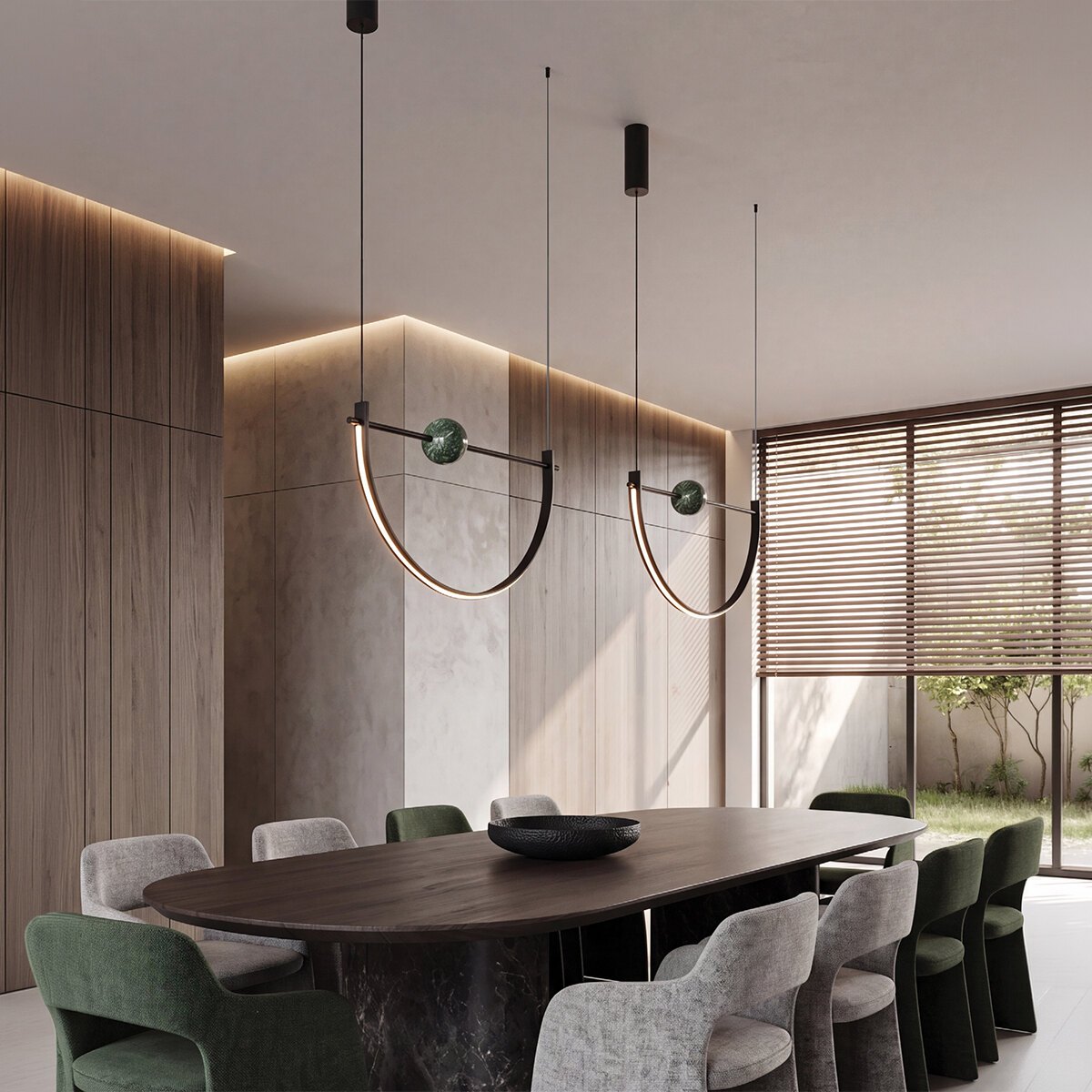
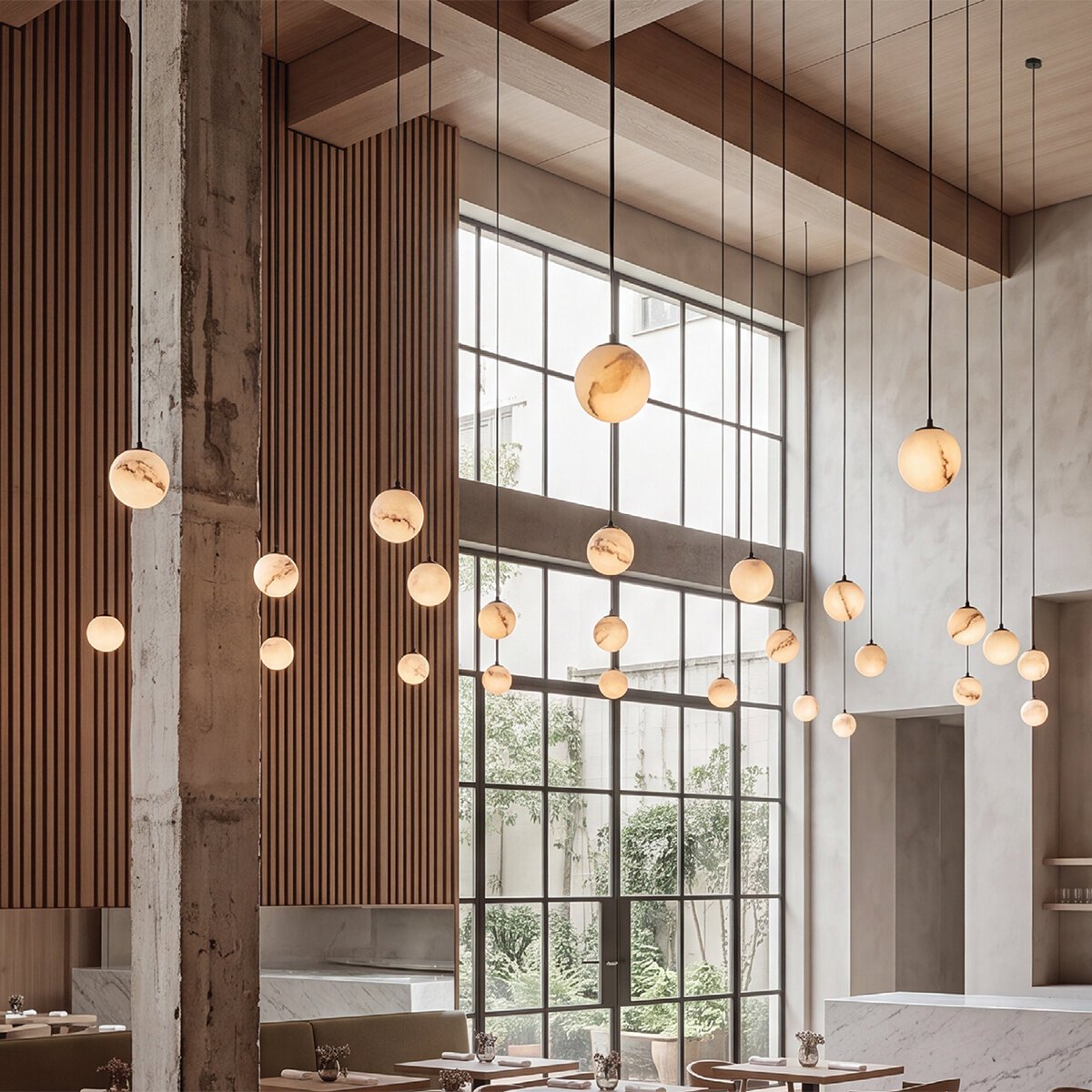
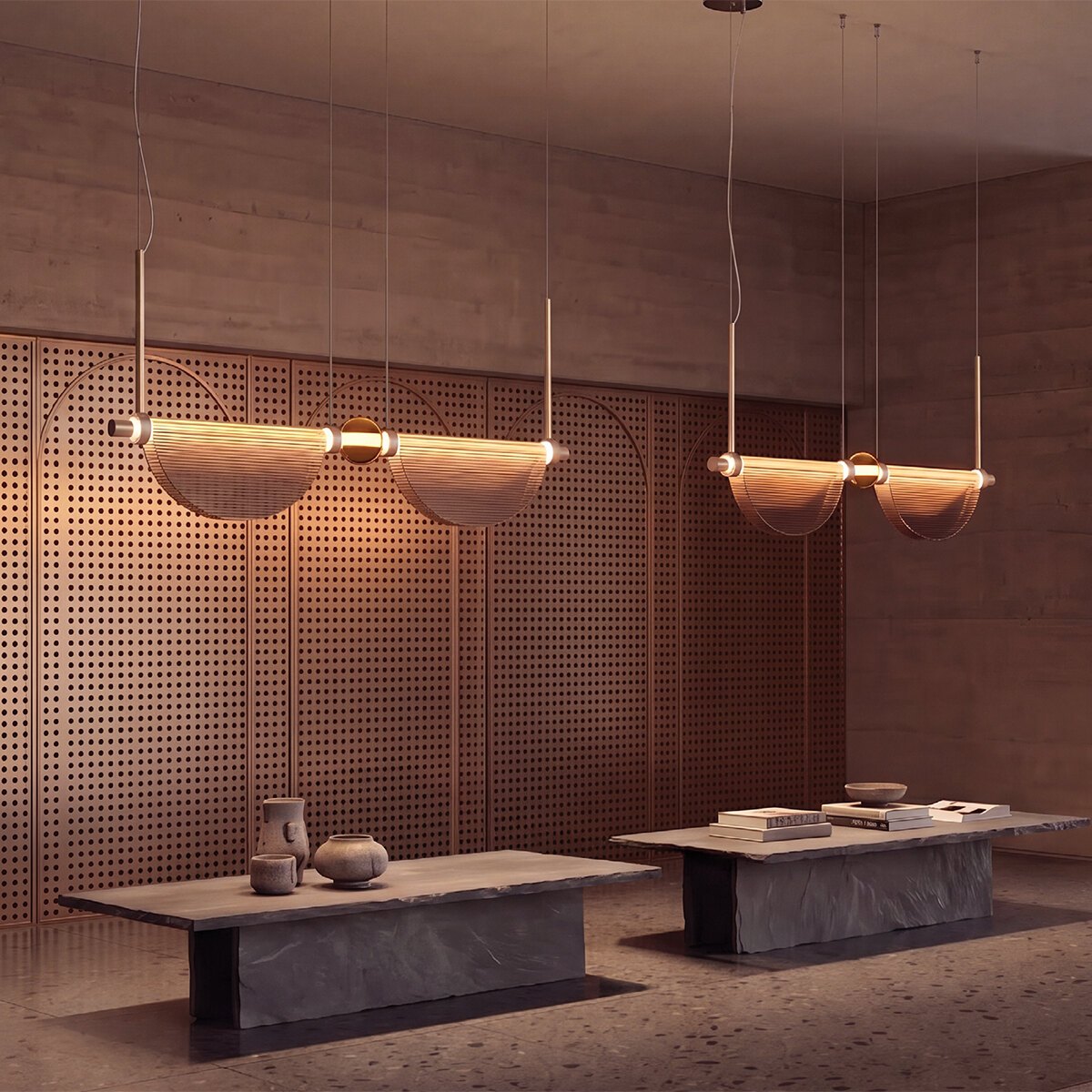
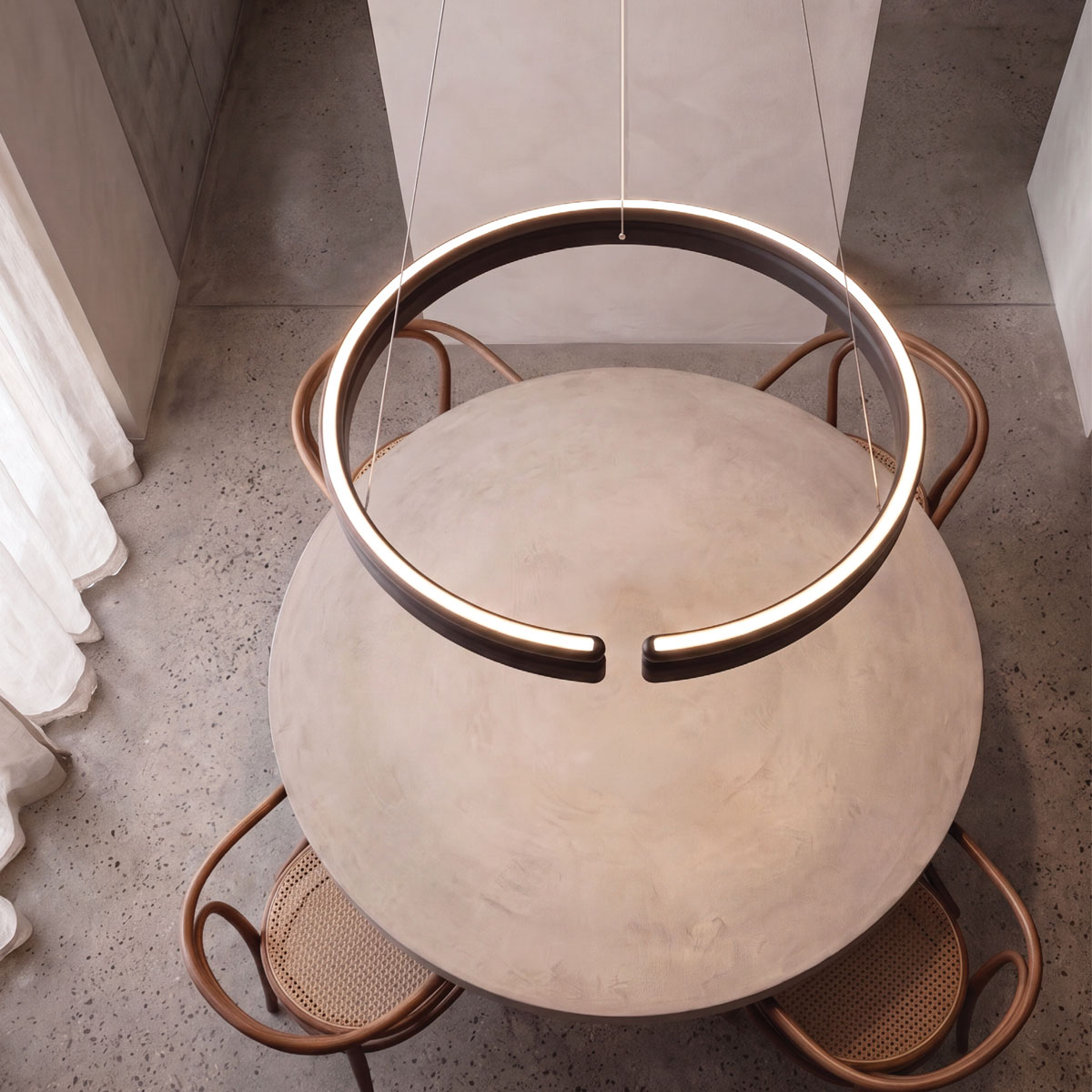
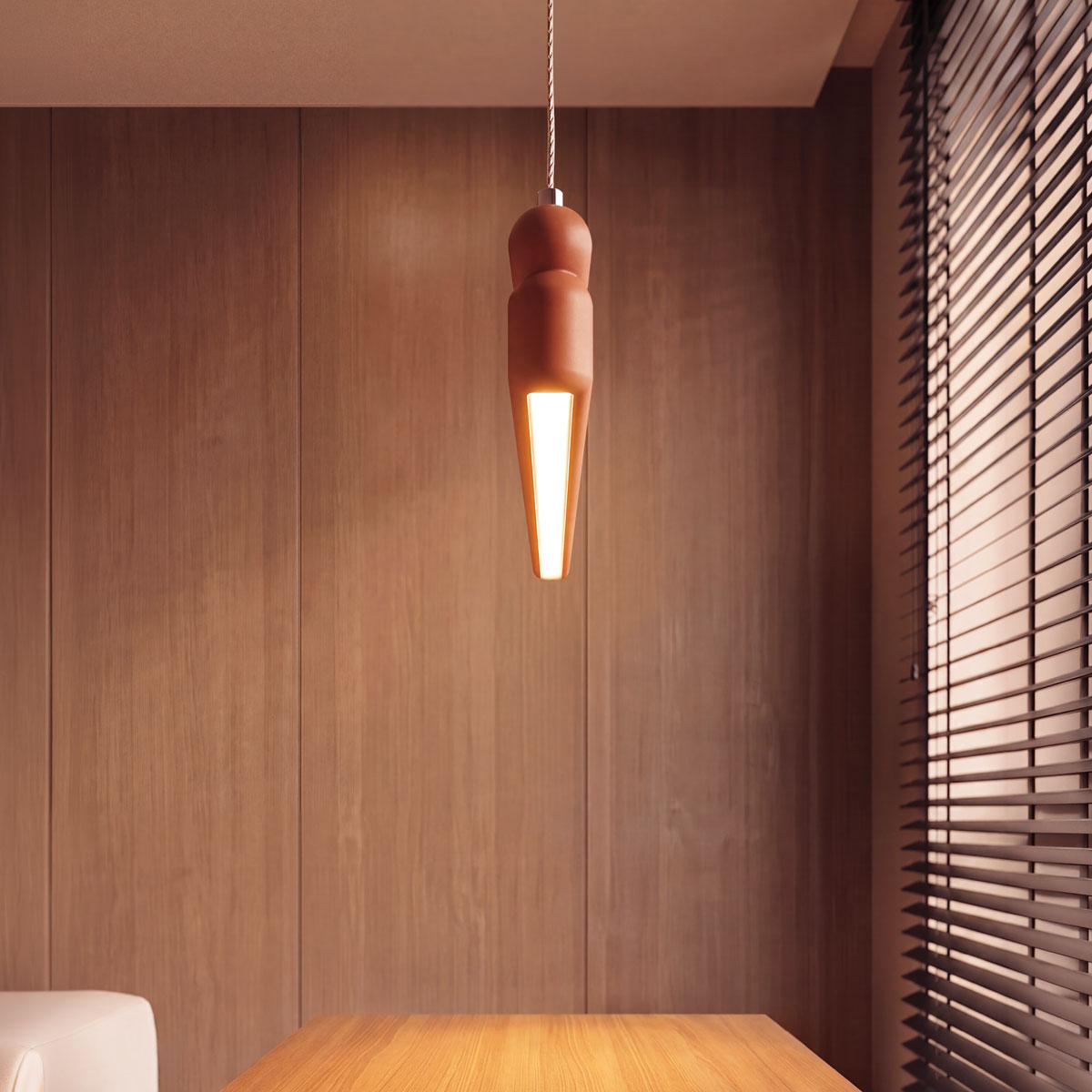
| Pendant | general or task | over a table or kitchen island, stairwell | cord, chain or rod |
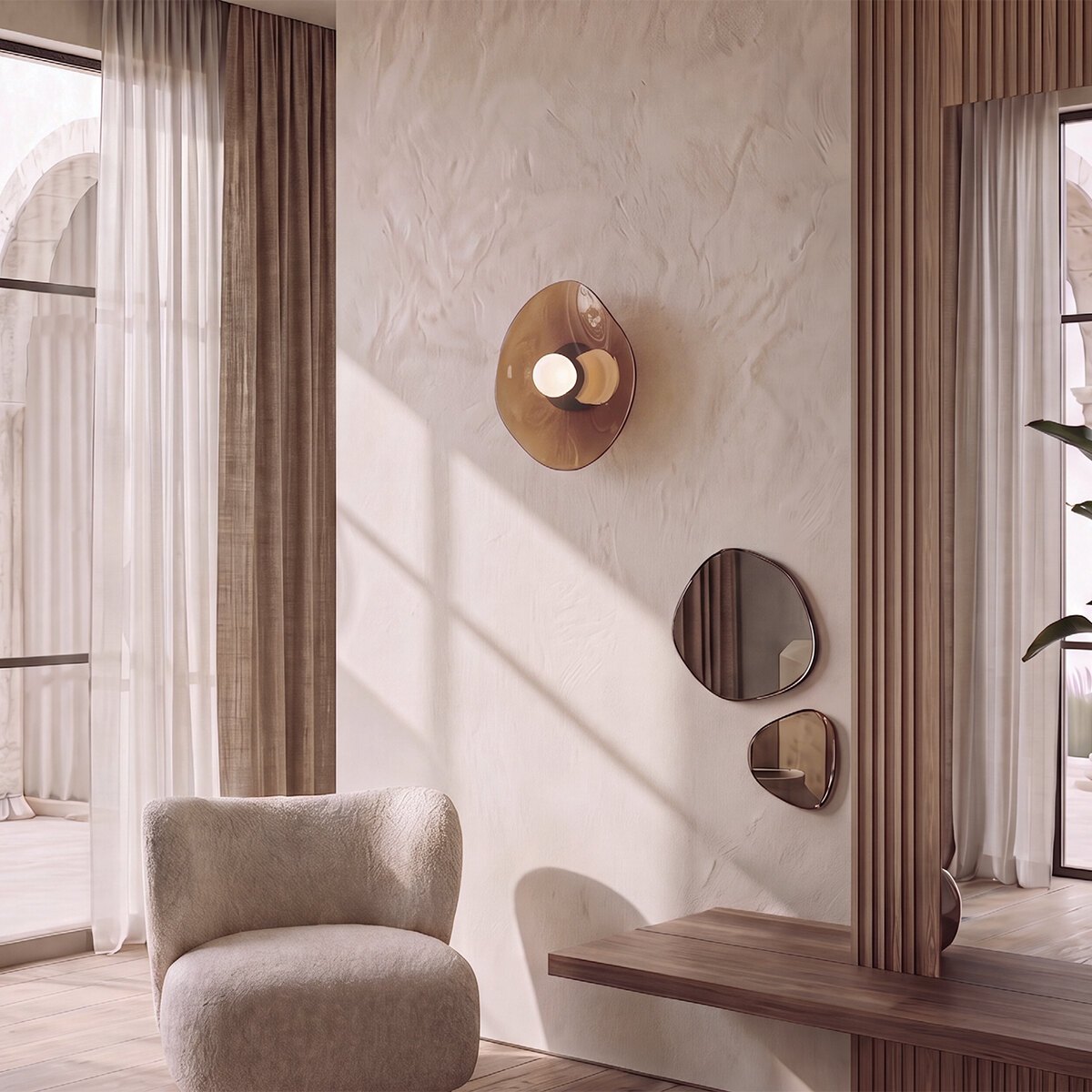
| Wall | accent or task | by a bed or mirror, hallway | fixed to the wall |
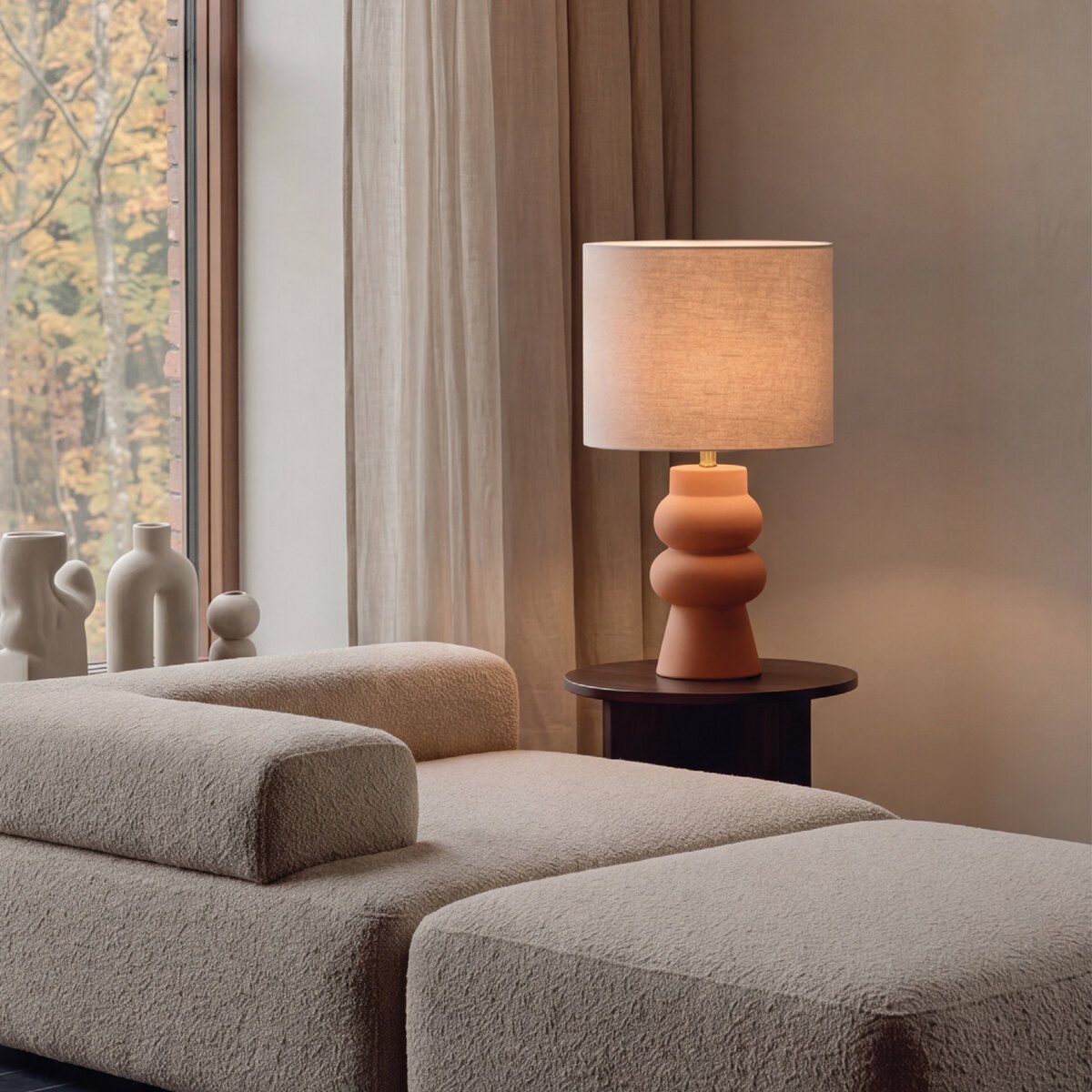
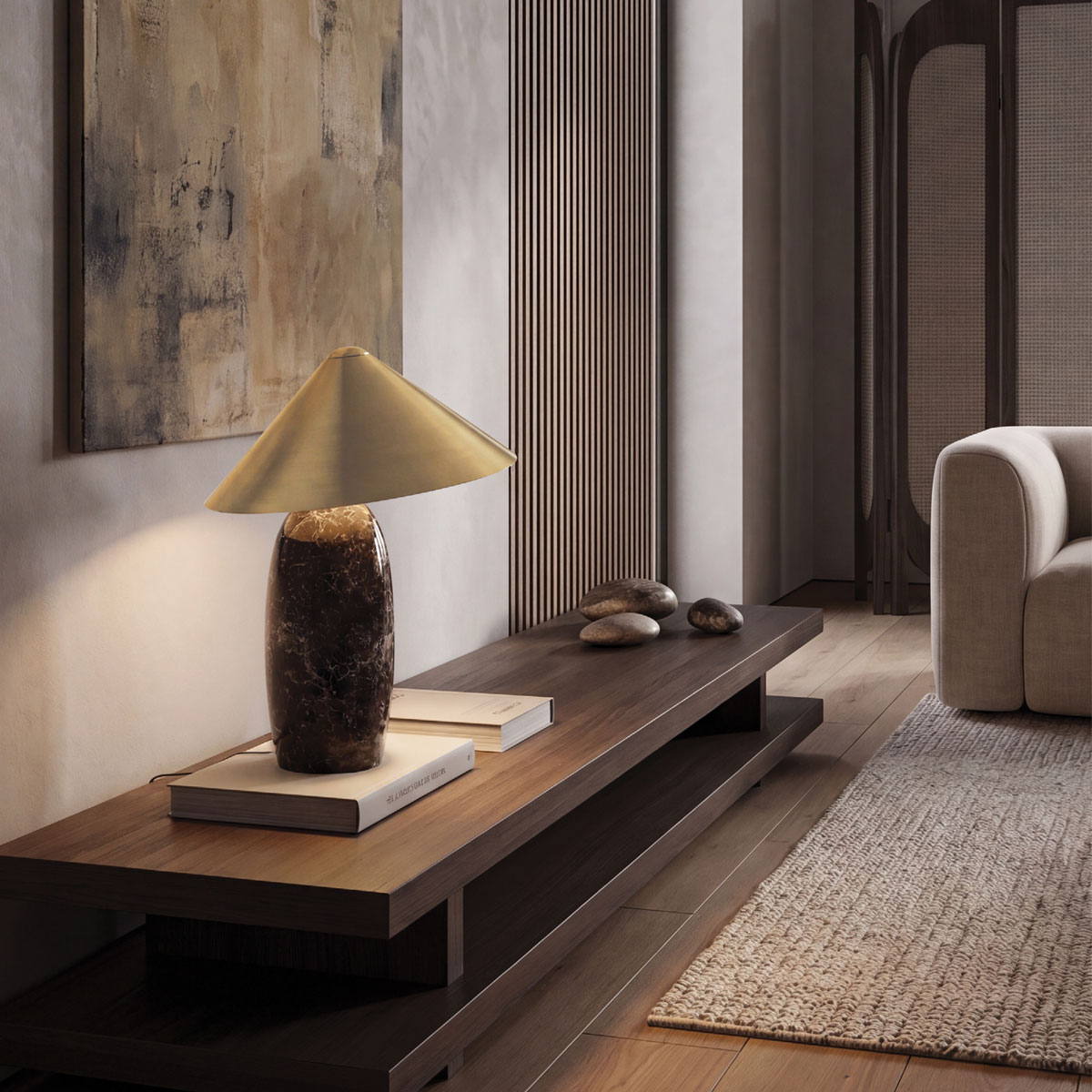
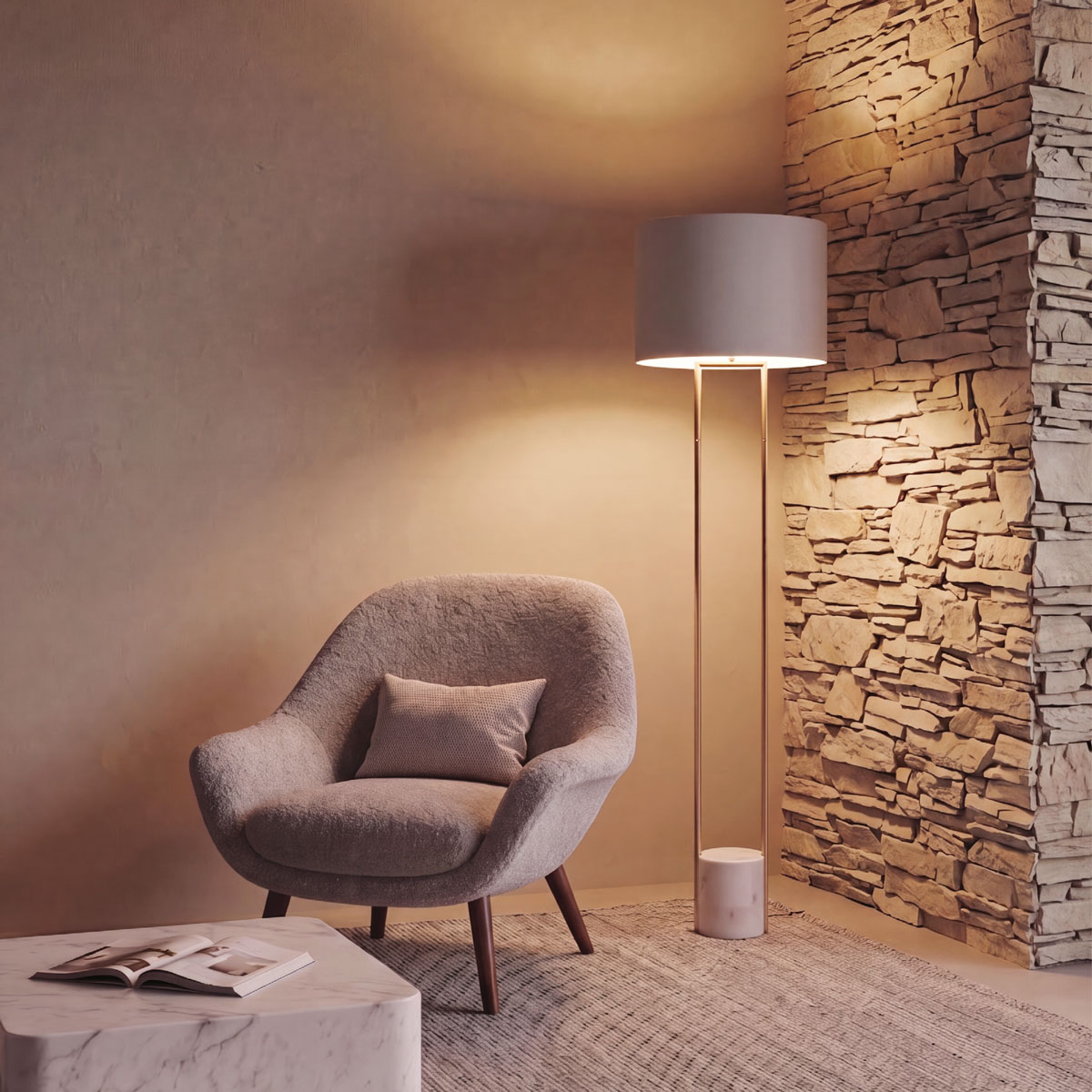
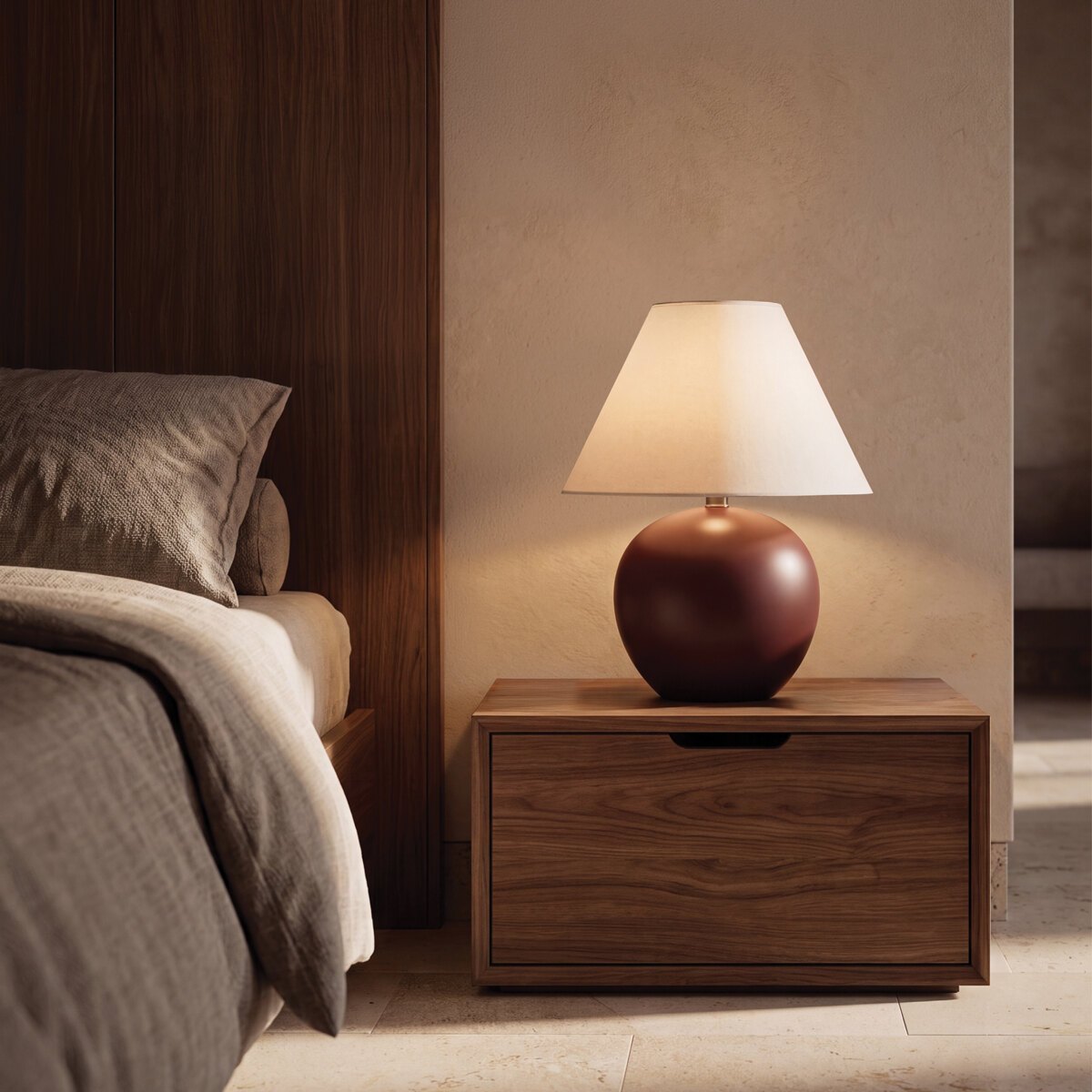
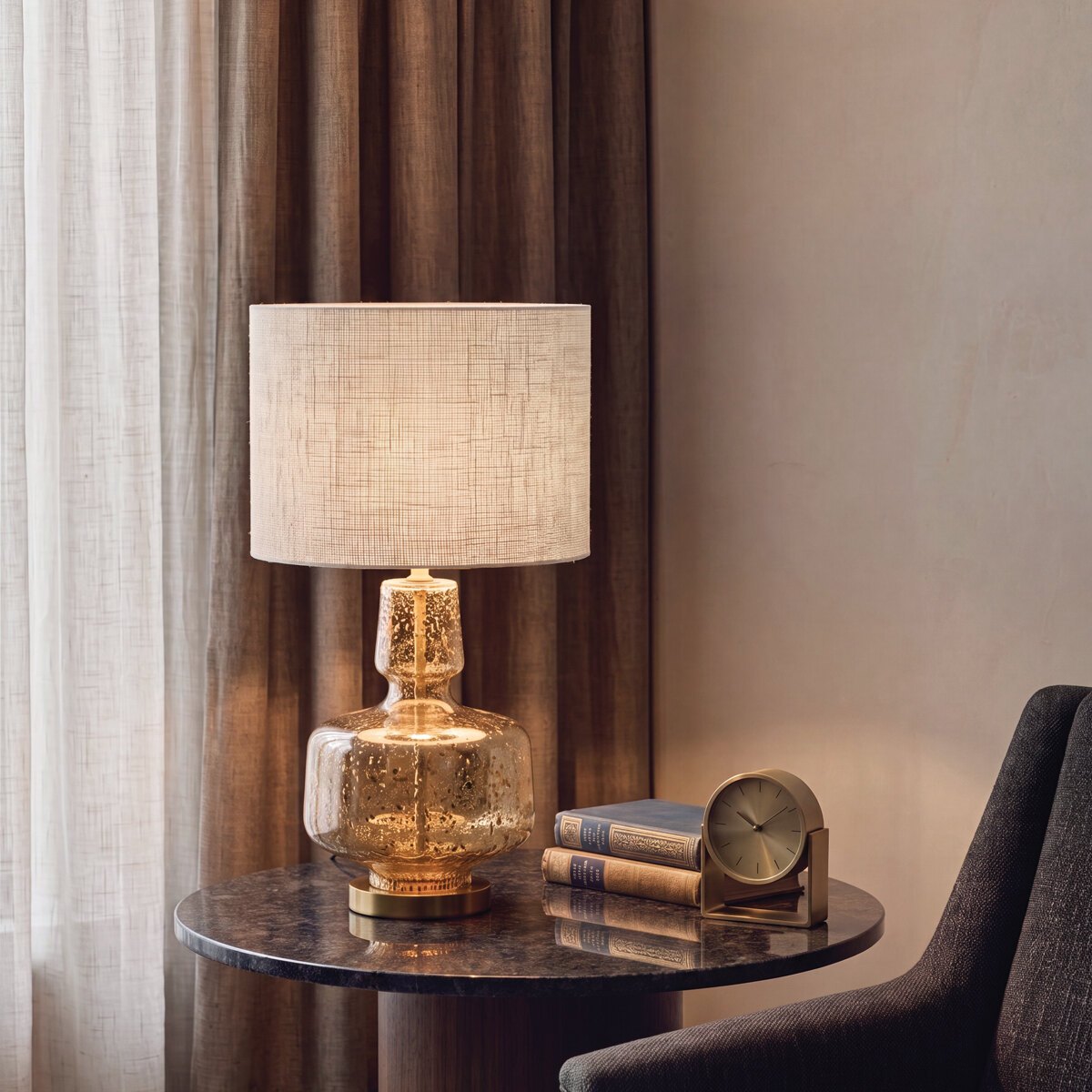
| Freestanding | task or accent | desk, reading corner | none, plugs into a socket |
Choose by type: ceiling fixtures, pendant luminaires, wall fixtures or freestanding luminaires. Bulbs for fittings with E27, GU10 or G9 bases are in LED bulbs.