Outdoor and Garden Lighting: How to Create a Cozy Evening Atmosphere
Why light your garden and yard?
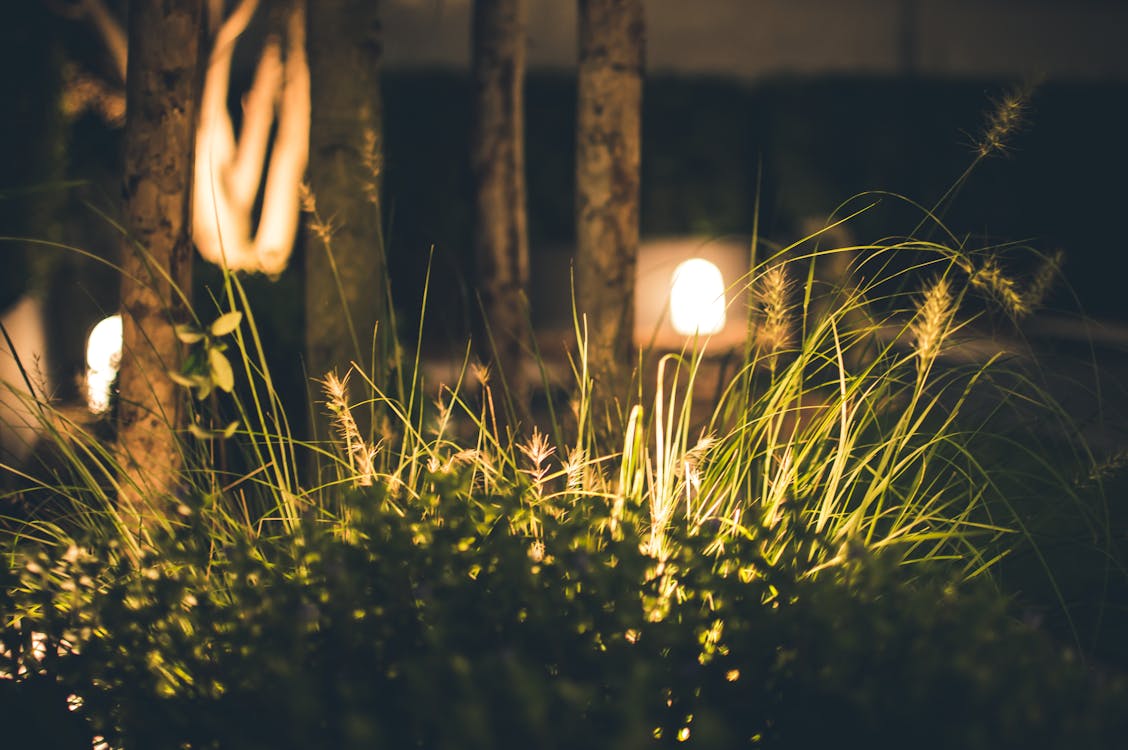
When the sun sets, your garden does not have to disappear into darkness. Well-planned outdoor lighting not only highlights the beauty of nature but also creates a cozy, romantic atmosphere in the evening. Illuminated plants, subtly outlined tree silhouettes and gently lit pathways can completely transform the look of your yard and turn it into a true relaxation oasis.
The yard is an extension of your home — an outdoor room where comfort and a sense of completeness should prevail. With the right lighting, you will enjoy spending time outdoors not only in summer but also on autumn evenings, effectively extending your terrace season.
- Atmosphere — well-chosen lighting turns the yard into a pleasant place to spend evenings, even on cooler nights.
- Accents — light highlights tree shapes, plant textures, sculptures and architectural garden elements.
- Safety — illuminated paths, steps and seating areas ensure safe movement in the dark.
- Sense of space — lights can visually expand the yard or create a cozy, intimate corner.
Start with practicality
When planning outdoor lighting, the first priority should be practicality rather than aesthetics — decide where light is essential. Install fixtures first by the front door, yard gate and steps, and illuminate garden paths so that returning home after dark is safe and easy.
Avoid very bright motion-sensor floodlights as your primary outdoor lighting. While functional, they create harsh contrasts and can be blinding. They also react to wind gusts or pet movement, turning on without good reason. Instead, choose fixtures that glow continuously at a moderate brightness, positioned from multiple angles — this creates consistent lighting that serves its purpose without disrupting the overall mood.
The most convenient approach is a system that turns on automatically at dusk and off at dawn.
Tree lighting — highlighting nature's sculptures
Trees are the main characters of your garden. When properly lit, they become true works of art in the evening. The key principle is using light to reveal the tree's shape and structure.
Uplighting
One of the most popular techniques. Spotlights are mounted near the tree trunk or root zone and aimed upward. This reveals the bark texture, branch structure and canopy shape. Uplighting is especially effective on tall, impressive trees — oaks, birches and pines.
Downlighting
Fixtures are mounted in tree branches or on tall posts, with light directed downward. This creates a gentle, natural moonlight effect that is particularly beautiful for pathways or seating areas beneath the trees.
Shadow casting
Light a tree or shrub so that it casts an interesting shadow on the house wall or fence — the effect can be stunning. Narrow-beam spotlights create a focused point of light and dramatic shadow play.
Choose warm white fixtures (2700–3000 K) — they emphasize the natural beauty and create a cozy atmosphere.
Pathway and plant lighting
Illuminated paths not only help you move safely through the garden but also give the space structure and depth. With subtle, non-glaring lighting, you can create a gentle guiding effect, as if a line of light is inviting you for a walk.
- Recessed ground-level fixtures — ideal for paths and steps, directing light downward without glare.
- Bollard lights (30–60 cm height) — give garden paths rhythm and a clear visual route. Low power (2–5 W per fixture) is recommended, since the goal is orientation, not blinding brightness.
- Decorative fixtures — can be used to illuminate plants or flower beds, highlighting their colors and shapes.
Important: space fixtures at uneven intervals to avoid the airport runway effect and maintain a natural feel.
Terrace and seating area lighting
The terrace is where family and friends spend evenings, so lighting here should create coziness rather than strict functionality.
String lights are the most popular and simplest solution. You can hang them from one corner of the terrace to another, drape them along a fence or wrap them around a tree trunk. They create a festive yet unobtrusive atmosphere — not just for holidays but for everyday enjoyment.
On the terrace you can also use floor lamps, hanging pendant lights or wall sconces — all contribute to a pleasant evening setting. When choosing fixtures, coordinate them with other yard elements: pick items of one style family and maintain a consistent design line.
Facade lighting
Wall-mounted fixtures near the entrance and garage doors serve both practical and decorative purposes. Up-down fixtures that illuminate the wall both upward and downward create a dramatic effect and highlight the building's architecture. This is one of the simplest ways to give your home a modern look.
Water feature lighting
If your garden has a fountain, pool or decorative pond, light can give them an entirely new expression. Submersible LED fixtures (IP68) create a mysterious effect, while external lighting helps emphasize water movement and reflections.
IP protection ratings for outdoor fixtures
Outdoor fixtures must withstand rain, humidity and temperature fluctuations. Here is what the IP ratings mean:
- IP44 — minimum requirement for covered areas like porches
- IP54 — protected against dust and splashes (wall-mounted, bollards)
- IP65 — recommended for open-air outdoor fixtures
- IP67/IP68 — suitable for submersion in water (fountains, ponds)
Power supply: wires, solar or low voltage?
If your outdoor lighting plans are held back by the lack of electrical wiring in the yard — there are alternatives:
- Solar-powered fixtures — an affordable option requiring no preparation work. Easy to install and relocate, no manual switching needed. Their light is not as bright as wired fixtures, but they work well for path lighting and decorative accents.
- Low-voltage systems (12/24 V) — safer, suitable for DIY installation, sufficient brightness for most garden zones.
- 230 V systems — the brightest lighting, but requires professional electrician installation.
Smart solutions
Modern garden lighting systems increasingly incorporate smart technology: you can control lights via an app, set schedules or create scenes for different occasions. RGB fixtures let you change light color and tone to match the mood — from warm, cozy light for dinner to bolder shades for celebrations. This way your yard looks modern and fresh without much effort.
Color temperature outdoors
- 2700–3000 K (warm white) — creates coziness, naturalness and romance. Ideal for seating areas and tree lighting.
- 3500–4000 K (neutral) — provides clarity and improves visibility. Suitable for pathways and entrances.
- 5000 K+ (cool white) — adds a modern feel and highlights architectural details. Use sparingly — overly intense light can look unnatural.
Common mistakes
Even the most beautiful fixtures can ruin the view if used incorrectly:
- Too much light — overly bright lighting destroys the natural charm of the evening. In the garden, less is more.
- Uniform lighting everywhere — different zones require different solutions. A pathway and a seating area should not be lit the same way.
- Wrong angle — light should highlight, not blind. Spotlights should not shine directly into the eyes of people sitting on the terrace.
- Mixing color temperatures — randomly combining warm and cool light undermines aesthetics and harmony.
- Too many different styles — choose fixtures of one design family and maintain a consistent line throughout the yard.
Garden and yard lighting is more than a technical solution. It is a way to create emotion, mood and atmosphere that will make your yard the favorite place to spend evenings.
Related Articles

Decorative Lighting: How to Create Atmosphere at Home
How to use decorative lighting to create atmosphere at home: fixture types, layered lighting, color temperature and practical tips.
Read more