How to choose a ceiling light
How many lumens does the room need
Light for general use is usually sized by floor area: for living spaces the guideline is 100–300 lm/m², and work areas need more. A 15 m² kitchen at 200–300 lm/m², for example, needs 3000–4500 lm. Fittings in this category range from 120 to 6152 lm, so you can reach that figure with one larger flush mount or spread it across several recessed lights. Several smaller fittings generally light a room more evenly and leave fewer dark corners. Our lighting calculator works out the figure from your room dimensions.
Flush mount, recessed or spotlight
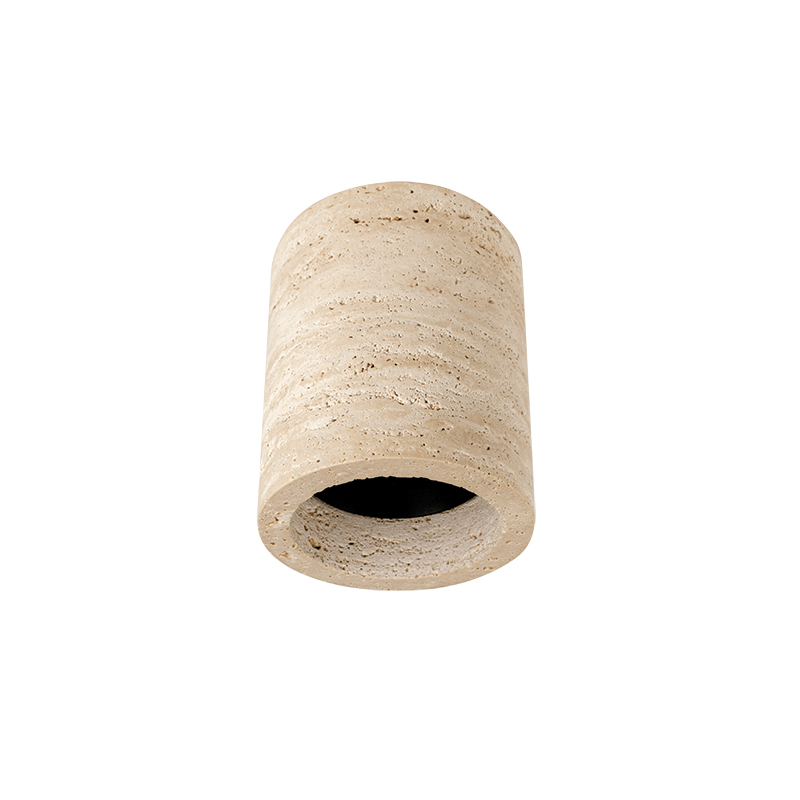
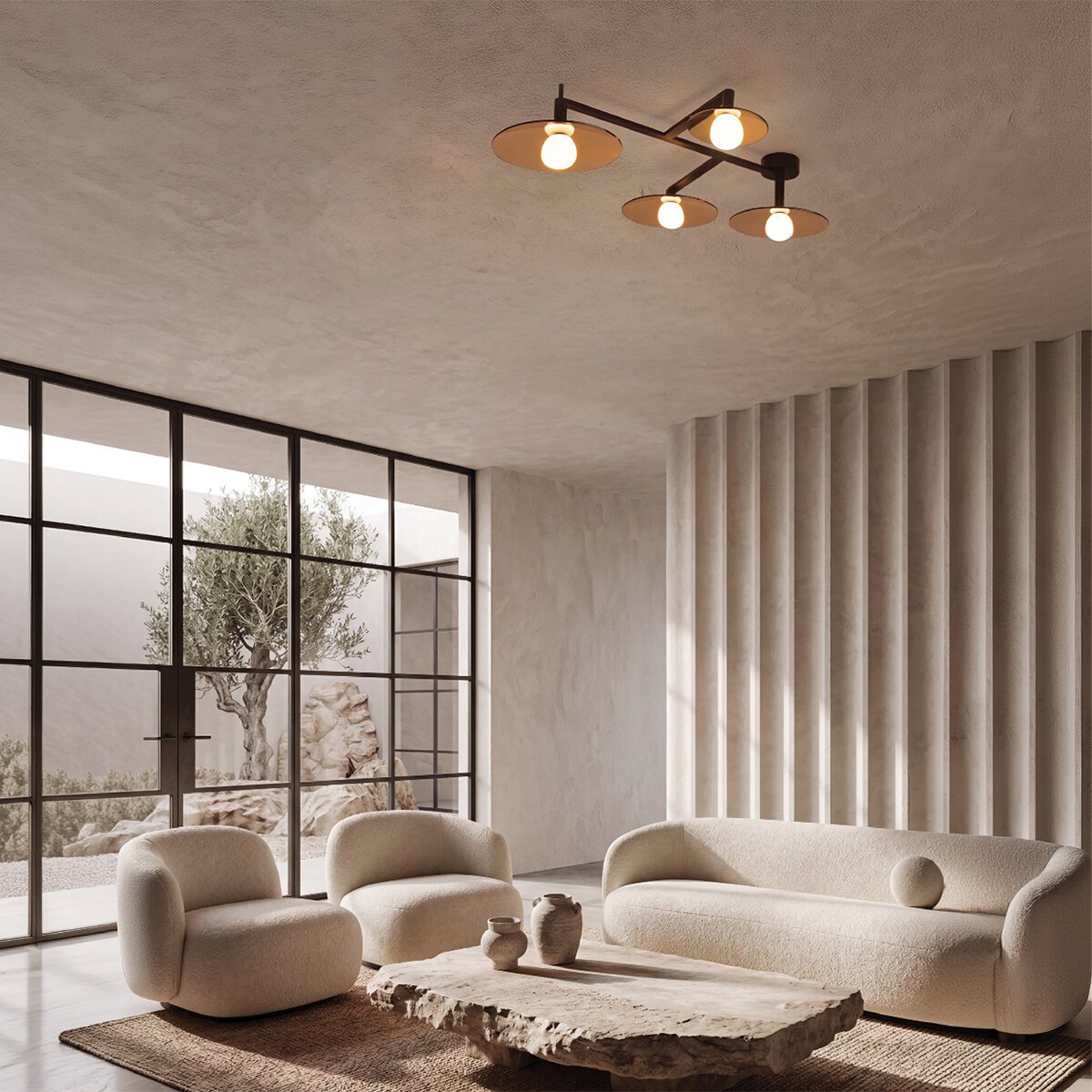
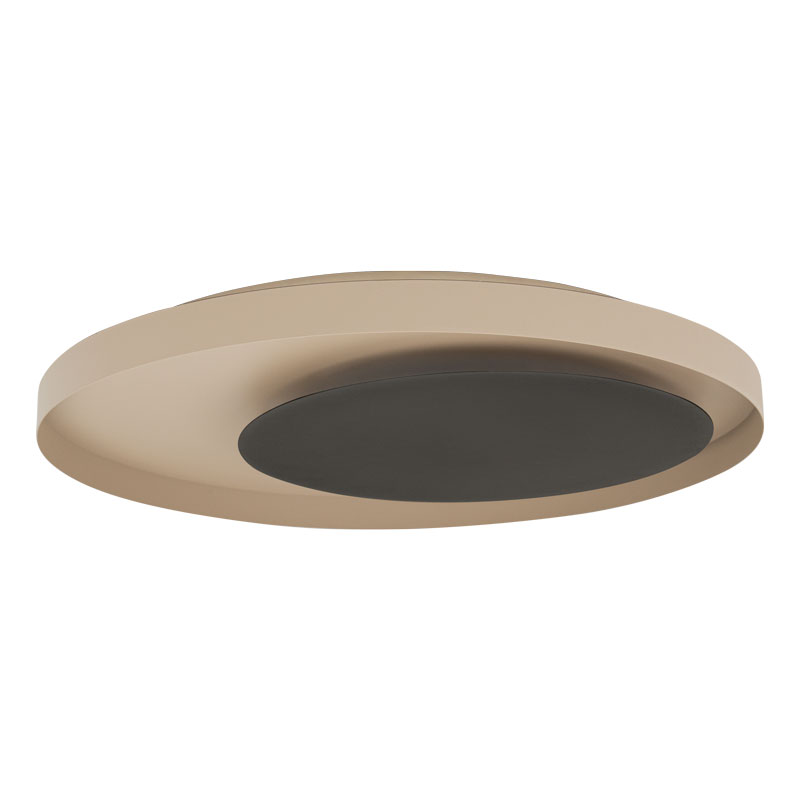
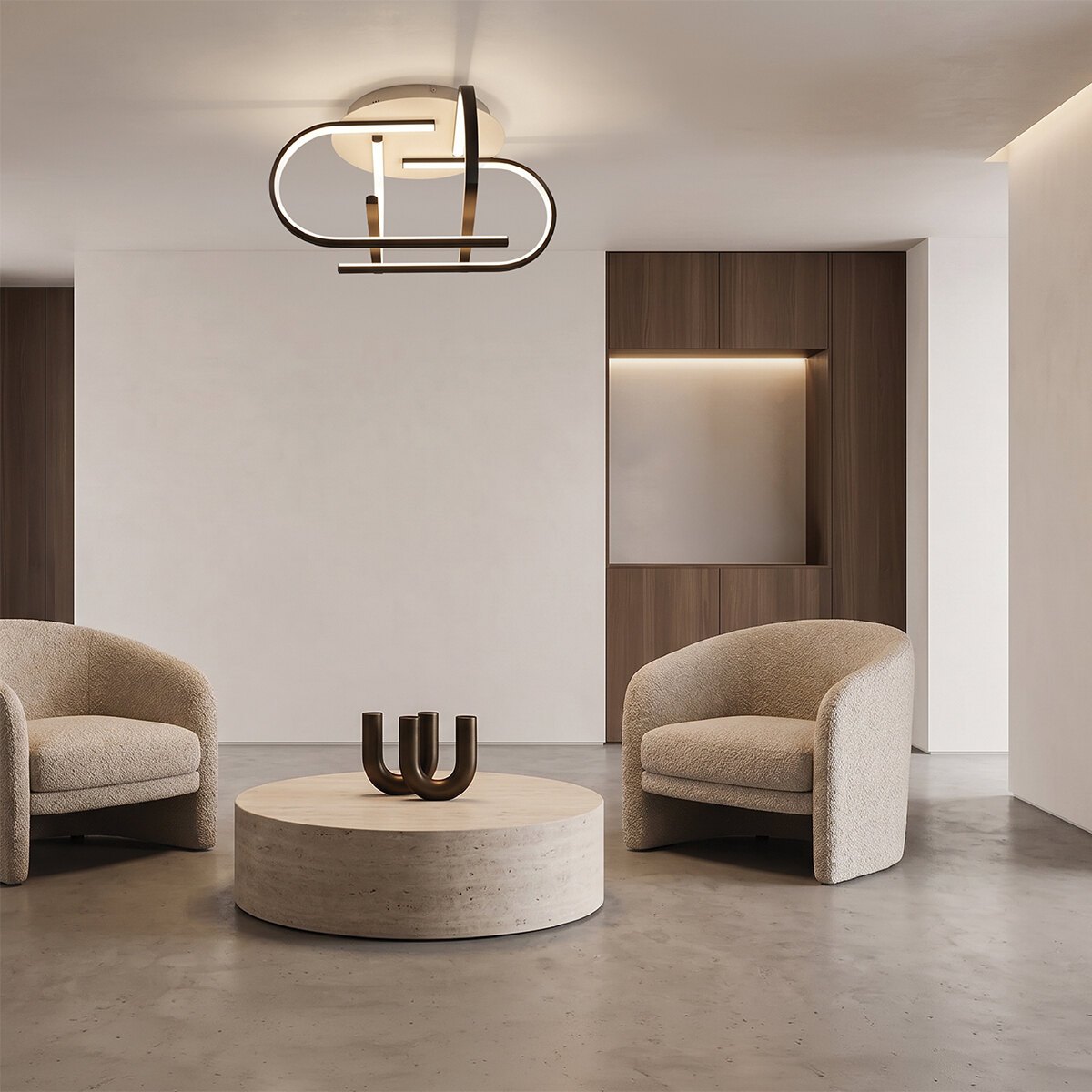
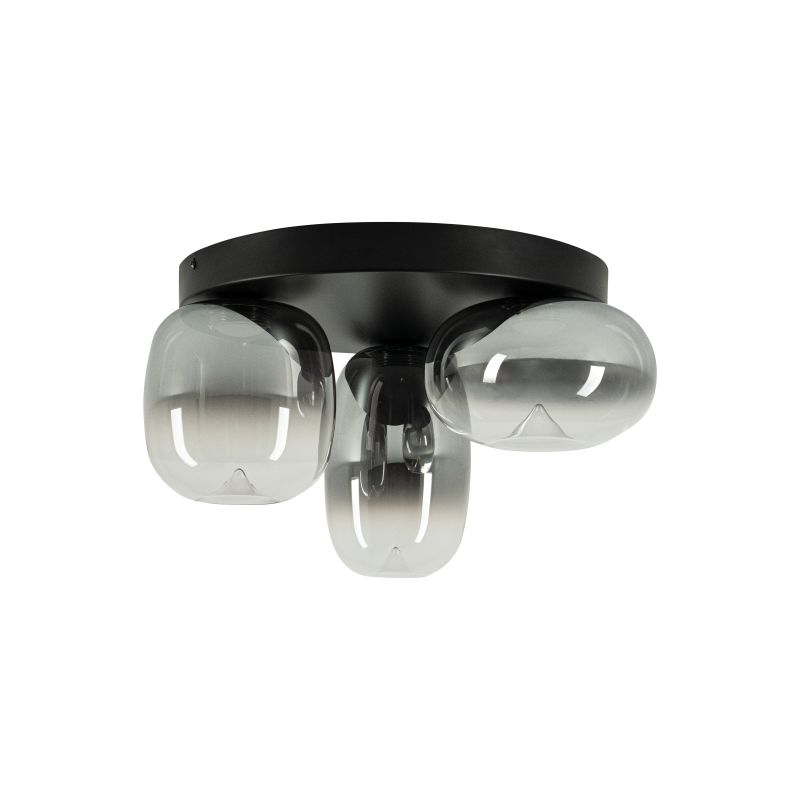
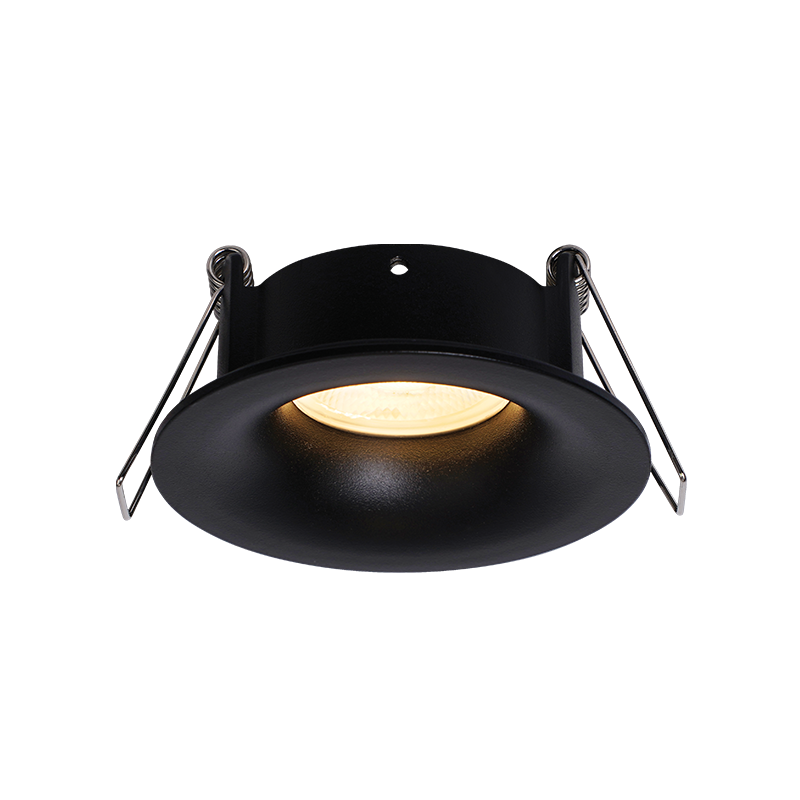
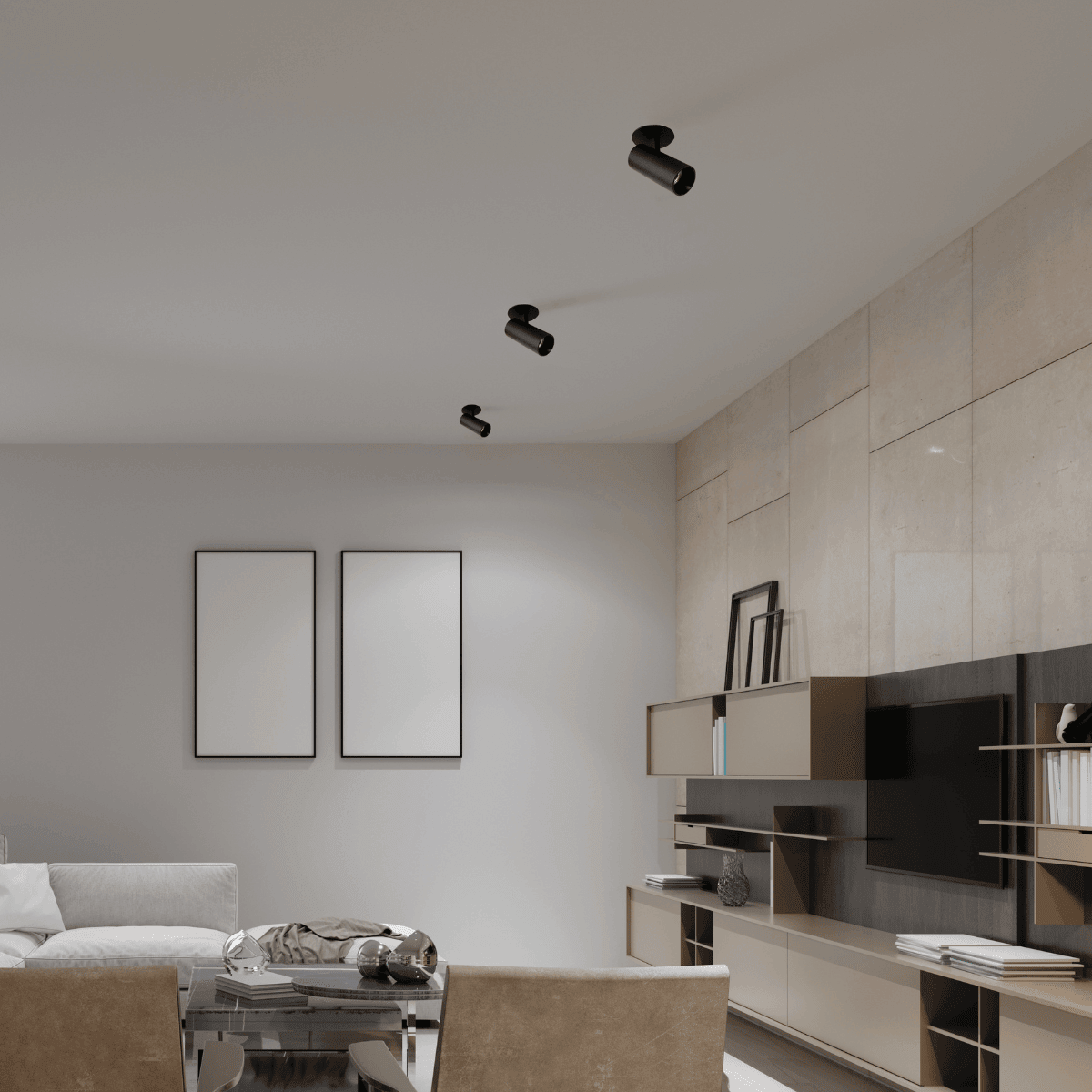
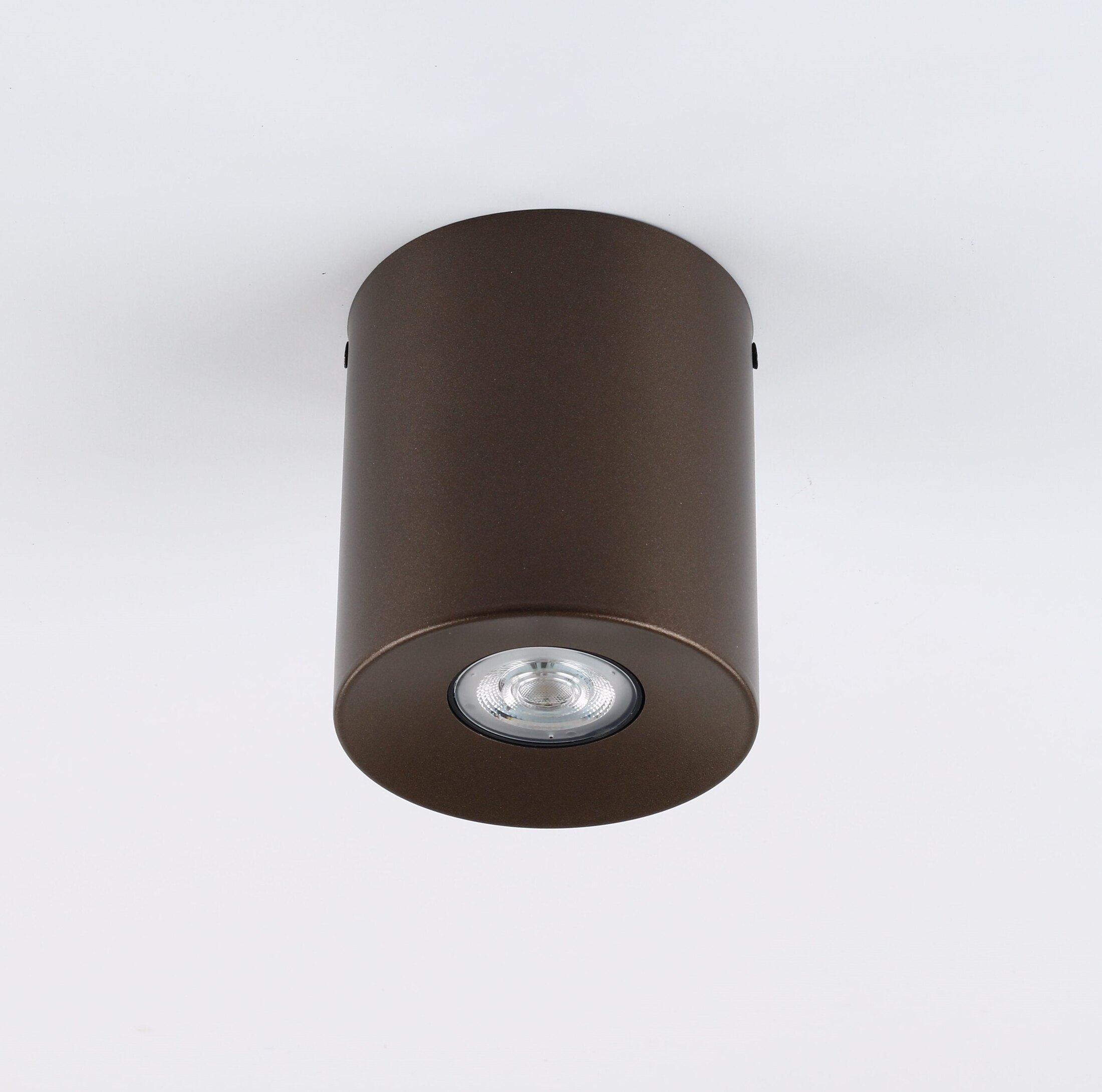
The ceiling decides the mounting type. Flush mounts and surface-mounted lights fix to the ceiling surface, so they suit concrete ceilings with no void for a housing. Recessed, spot and some linear fittings sit in a cut-out and need a plasterboard or other suspended ceiling with enough space above it. In low rooms a slim flush mount or recessed lights keep the full ceiling height. In tall rooms a larger-diameter flush mount looks better proportioned and spreads the light wider.
Integrated LED or replaceable bulb
Most fittings here have an integrated LED, with power, output and colour temperature stated on the product page. The rest take bulbs with a GU10, E27, G9, GX 53 or S14d base, so the colour and output come from the LED bulb you choose and the listing reads “depends on the bulb used”. Integrated models are mainly 3000K warm white or 4000K neutral white, with some 2700K, 6500K and tunable-white (CCT) versions. Keep one colour temperature per room so the ceiling fittings do not show different tints.
Damp rooms and dimming
Most ceiling lights are IP20 and meant for dry rooms. For a bathroom or WC choose IP44, IP54 or IP65 models, all three of which are available in this category. Brightness can only be adjusted on fittings whose description lists TRIAC (phase-cut) or DALI control. TRIAC fittings need a phase-cut dimmer on the wall, while DALI needs a control line and a controller, so check what your wiring already supports before you buy.
| Room | Guideline flux, lm/m² | Typical colour temperature, K |
|---|
| Bedroom | 100–150 | 2700–3000 |
| Living room | 150–200 | 2700–3000 |
| Kitchen | 200–300 | 3000–4000 |
| Bathroom | 150–200 | 3000–4000 |
| Hallway | 50–100 | 3000 |
| Home office | 300–500 | 4000 |
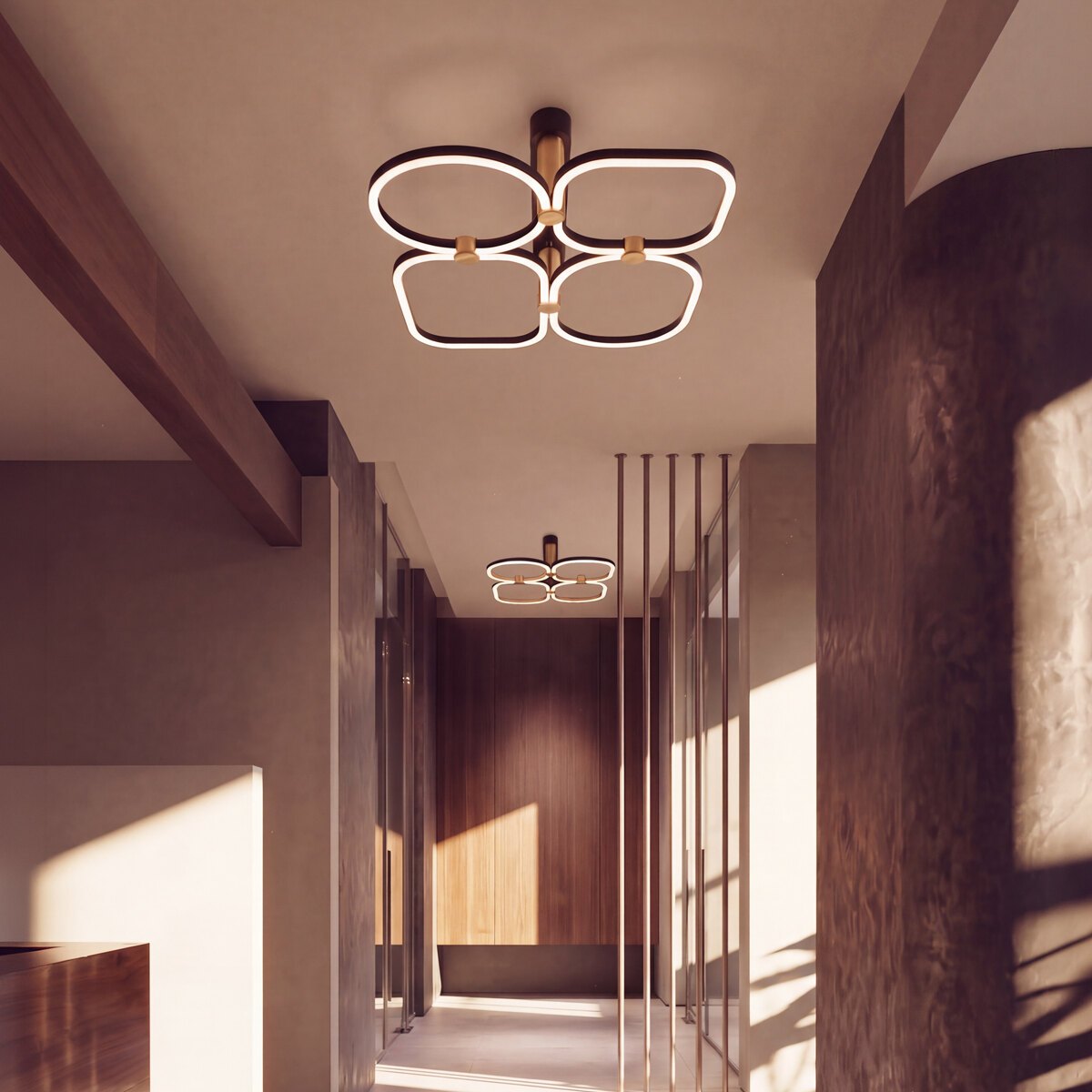
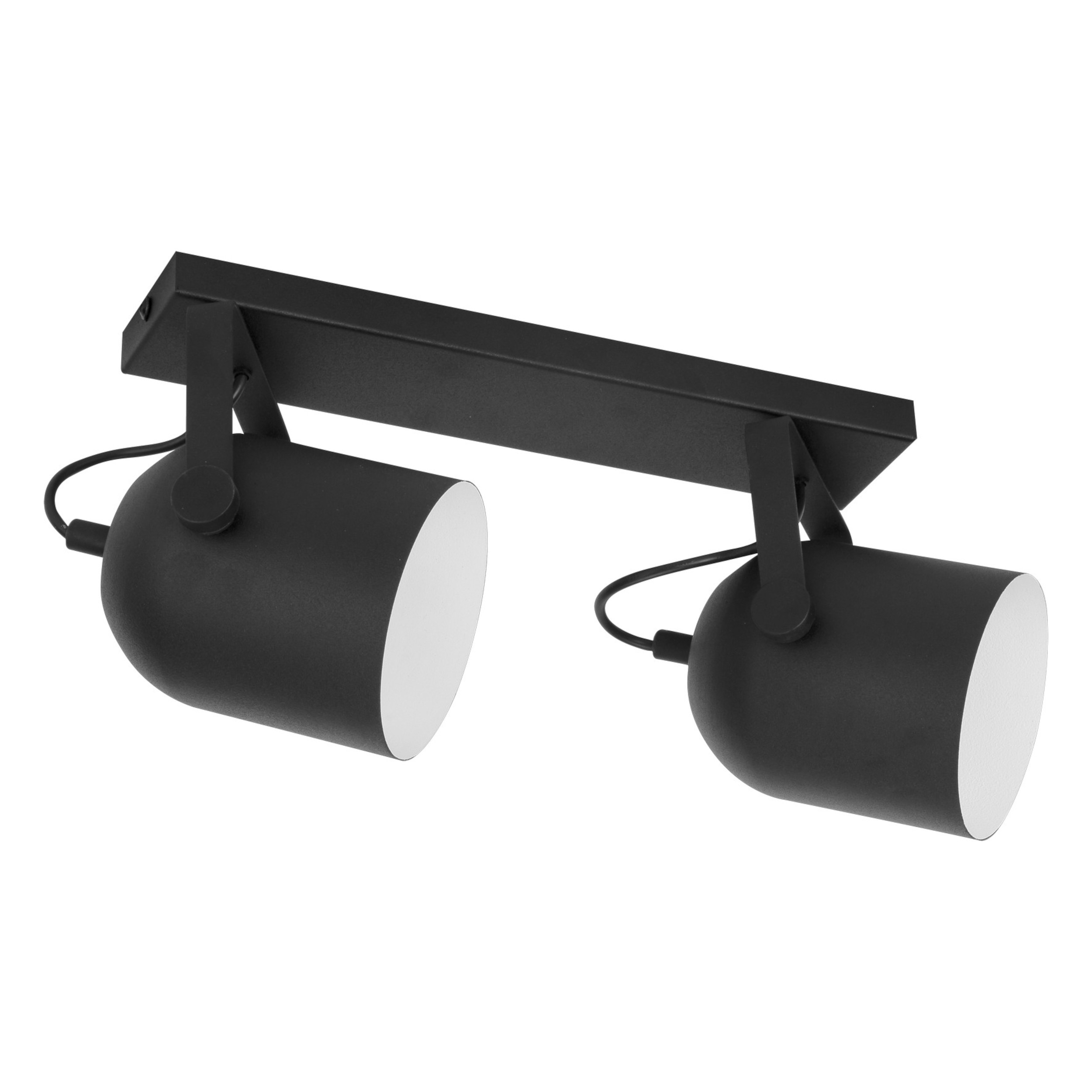
Browse ceiling lights by mounting type: flush mounts and decorative ceiling lights, recessed lighting, spotlights and downlights and linear lights.