How to choose surface-mounted lighting
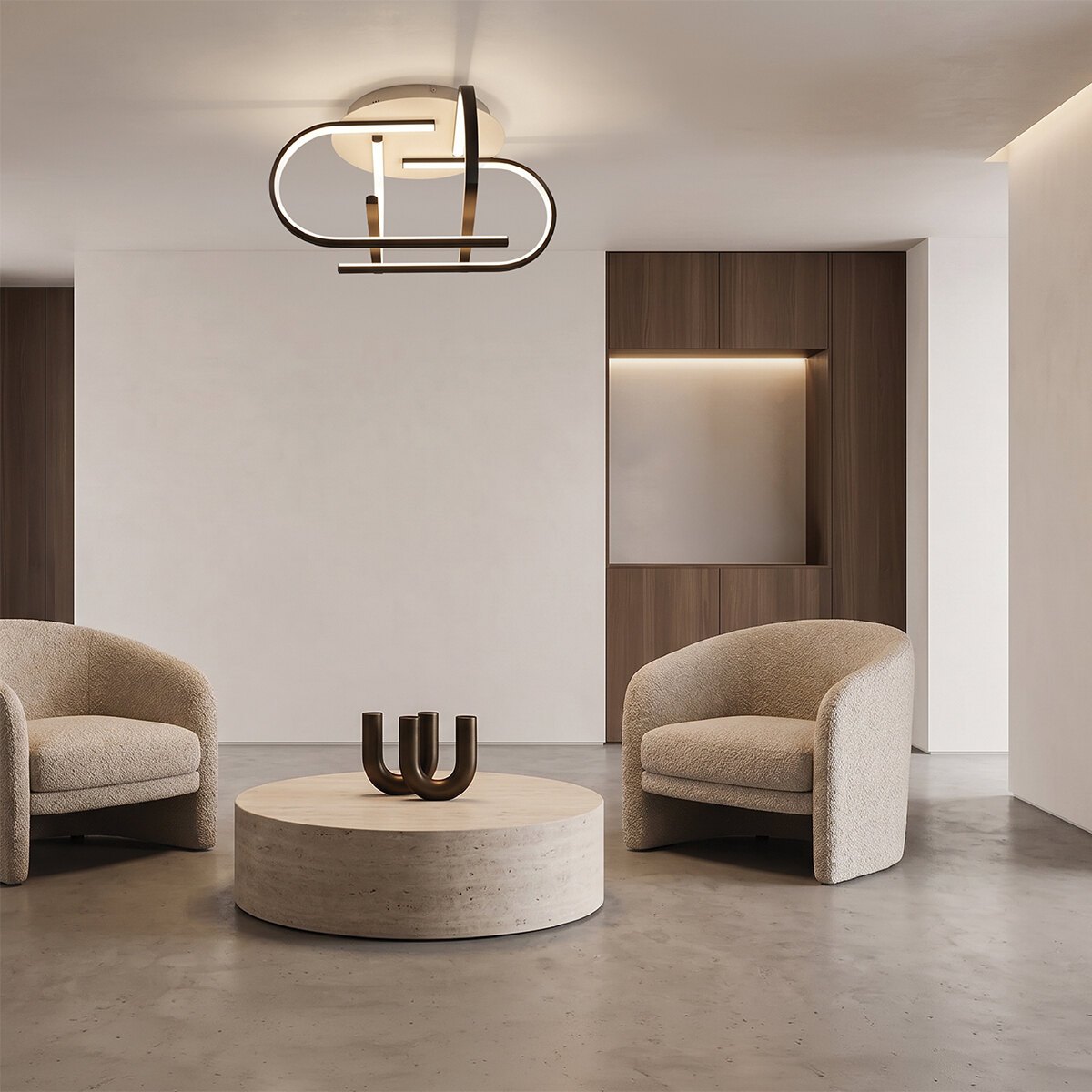
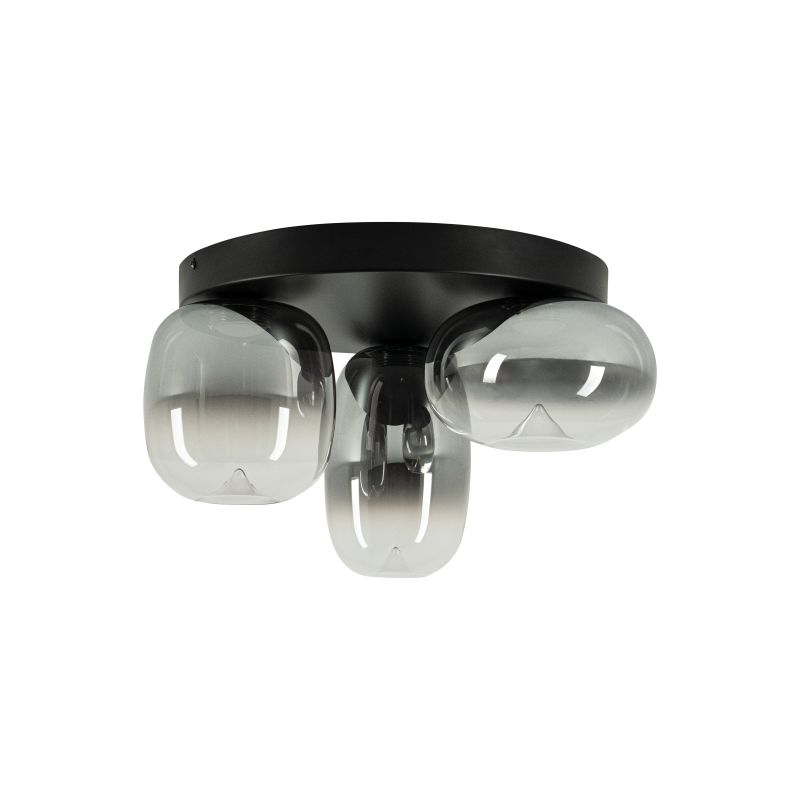
The whole housing of a surface-mounted light stays visible, so the choice depends not only on the amount of light but also on how the fitting looks on the ceiling or wall.
Where surface mounting makes sense
A surface-mounted light is screwed straight to the ceiling or wall, so it needs no void and does not break into the slab. That makes it the usual choice for flats with concrete ceilings, refurbishments where the ceiling will not be lowered, and offices with exposed services. Installation is simpler than for a recessed fitting: a cable outlet and a solid base are enough. Before buying, check whether the model can also go on a wall if you need that, and how deep the housing is.
Luminous flux and power
Fittings in this category are rated 4 to 100 W and deliver 328 to 5700 lm. Smaller models suit a hallway, a storeroom or a single zone such as the area over a kitchen worktop. The highest-output fitting can be the only light in a living room or a small office. Work out the total flux from the floor area and the room's use, and if you plan several fittings, add their outputs together.
Colour temperature by room
The most common colour temperature here is 3000K, with 4000K, 2700K and adjustable colour temperature (CCT) models also available. Adjustable colour helps in rooms used for work during the day and for relaxing in the evening. Keep to one colour temperature within a room so different fittings do not look mismatched. Pale walls and ceilings reflect more light, so warm light can look dull in a dark room. The table gives common guidance.
| Room | Colour temperature usually chosen |
|---|
| Bedroom, living room | 2700–3000K |
| Kitchen, hallway | 3000–4000K |
| Study, office | 4000K |
| Storeroom, basement | 4000K |
Bulb, dimming and finish
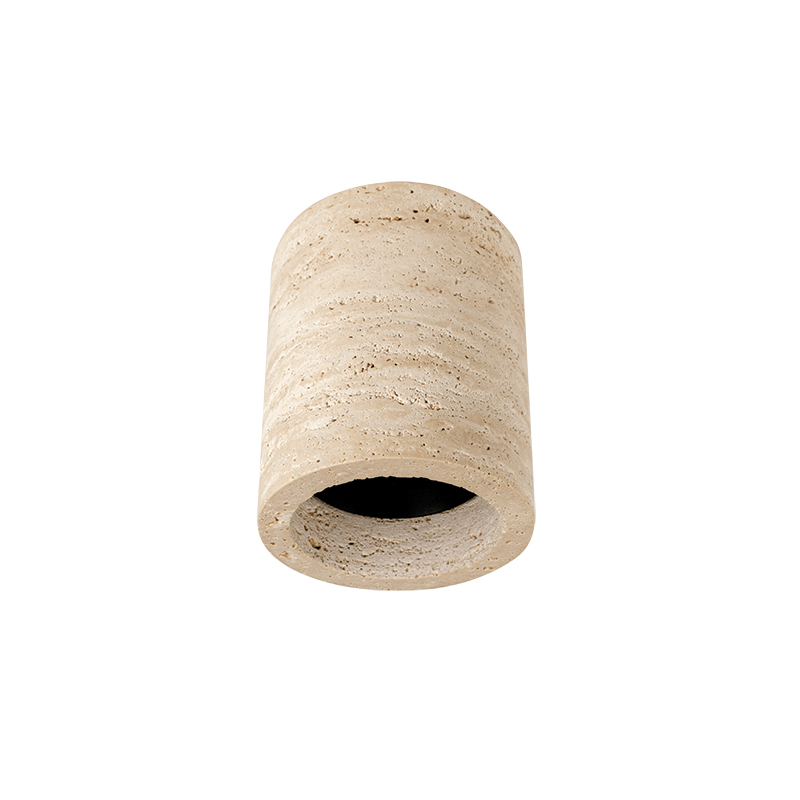
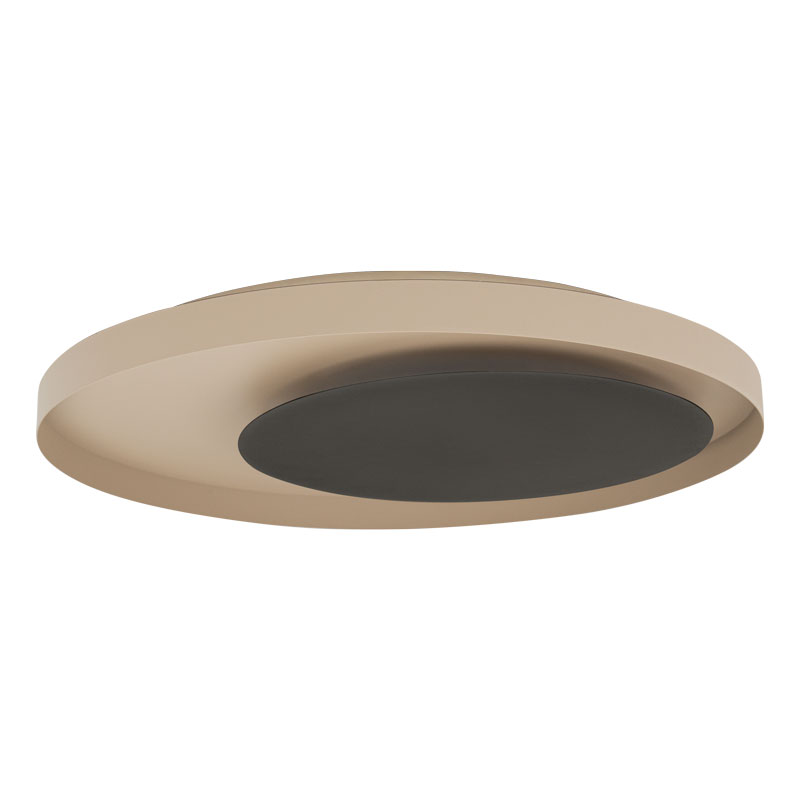
Most fittings have an integrated LED; others take GU10 or E27 bulbs, and a few are sold without a light source. Dimming is possible on models with TRIAC or DALI control. Most are IP20, but IP44 and IP54 models are available for bathrooms or basements. Housings come in black, white, gold, grey or copper, made of aluminium, metal, acrylic, silicone and glass. A black cylinder on a white ceiling becomes a feature, while a white one almost blends in.
If your ceiling has a void, compare with recessed lighting. Larger decorative fittings are in flush mounts and decorative ceiling lights, and long zones suit linear lights. The lighting calculator shows how many surface-mounted fittings you will need.